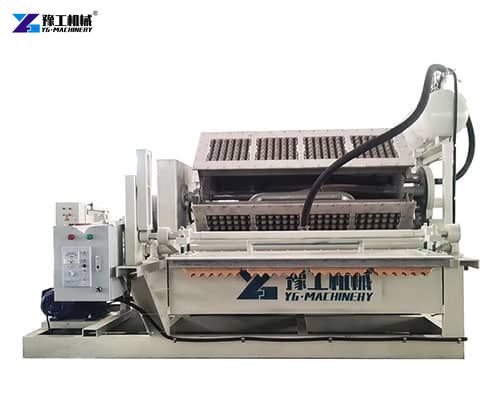
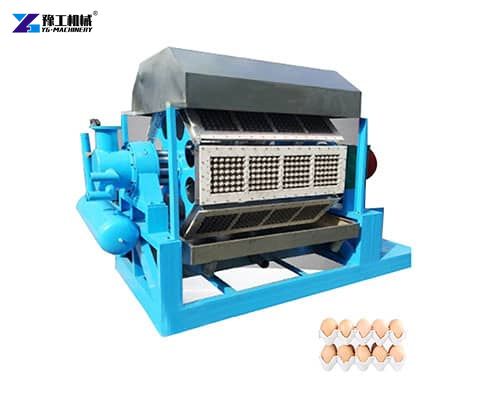
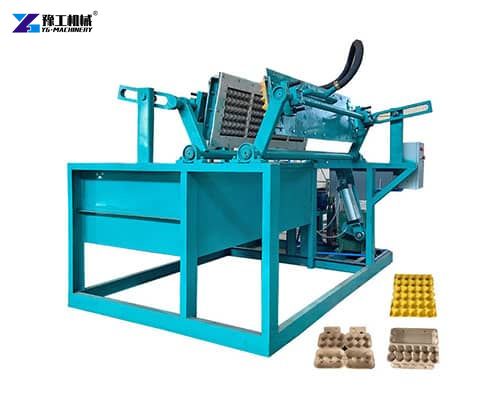
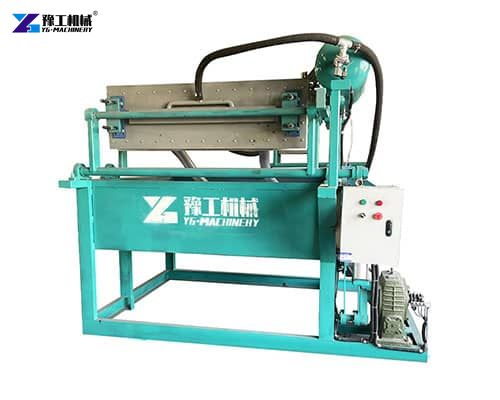
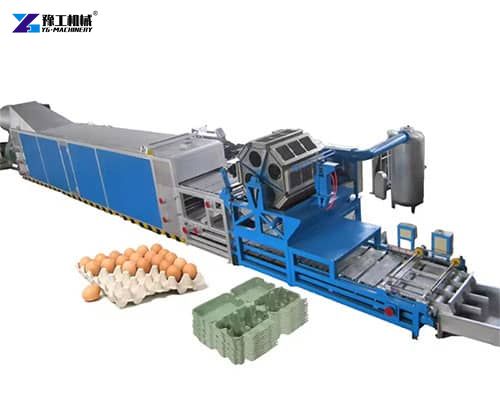
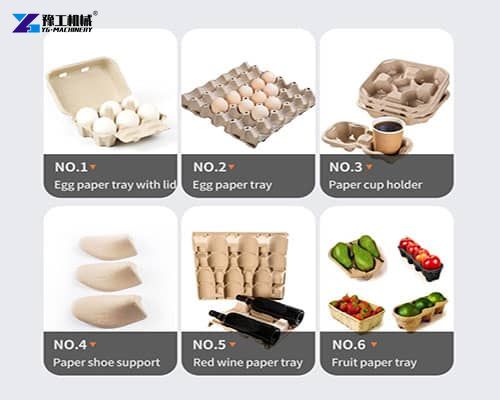
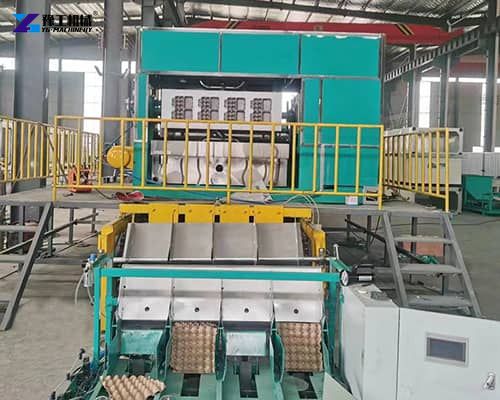
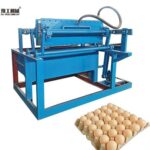
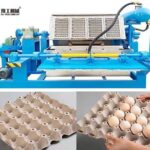
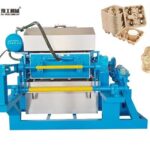
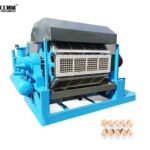
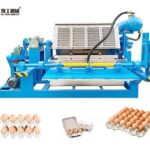
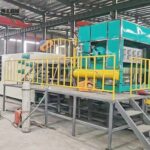
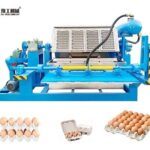
Paper egg tray making machine is a specialized industrial system designed to automate the production of molded pulp packaging. Its primary function is to convert recycled paper materials, such as old newspapers, cartons, magazines, and paper scraps, into a slurry (pulp), which is then formed into specific three-dimensional shapes, dried, and finished. The egg tray making machine is an innovative industrial equipment designed to transform waste paper materials into eco-friendly molded pulp packaging. The most common product is the familiar paper egg tray or egg carton, but the technology’s versatility extends far beyond. This machine plays a pivotal role in the circular economy by converting discarded newspapers, cardboard, and other paper-based waste into functional egg trays, fruit carriers, and industrial packaging solutions. With production capacities ranging from 1,000 to 8,000 pieces per hour, these machines cater to diverse business scales—from small-scale startups to large manufacturing facilities.
Structural Composition of Paper Egg Tray Making Machine
Pulp Preparation System: Consisting of hydropulpers and pulp mixers, this unit processes raw paper waste into uniform pulp slurry with 3-5% consistency.
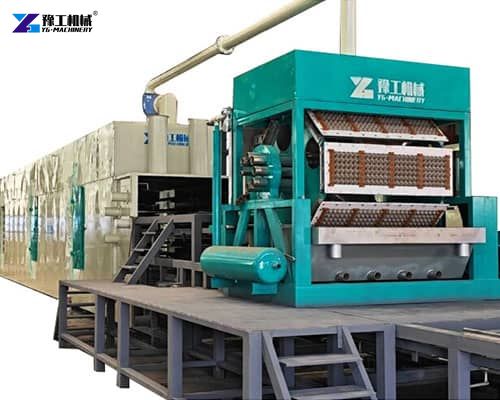
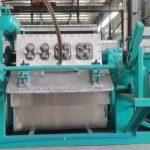
Forming Mechanism: Equipped with customizable molds (single-sided, four-sided, or eight-sided configurations), the forming unit utilizes vacuum suction to shape wet pulp into precise tray geometries.
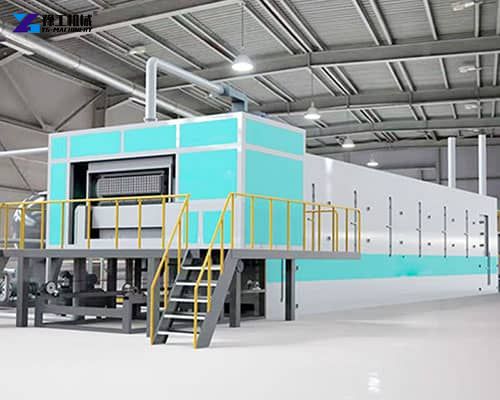
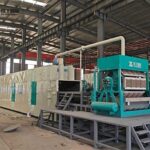
Drying Section: Features metal drying lines, natural air-drying stations, or brick kiln systems that remove moisture through controlled heat application.
The operation of a paper egg tray making machine is a continuous, logical process. It begins with raw material preparation, where waste paper is sorted and shredded. This material is then fed into the hydraulic pulper along with a calculated amount of water. The pulper’s rotating blades separate the paper fibers, creating a homogeneous pulp mixture with a specific consistency.
This pulp flows into a reservoir, constantly agitated to prevent settling. In the molding unit, the forming molds, mounted on a moving mechanism, dip into the pulp bath. Simultaneously, a vacuum pump connected to these molds creates suction. This suction draws the pulp fibers onto the porous surface of the mold, while water is extracted. The fibers interlock, forming a wet, fragile paper tray.
The mold then lifts from the slurry. In some systems, compressed air is used to blow the newly formed tray off the mold and onto a conveyor belt. In others, it is transferred mechanically. These wet trays proceed to the drying stage. In a drying tunnel or rotary dryer, controlled heat and air movement evaporate the residual moisture. The temperature and duration are carefully calibrated to ensure thorough drying without warping or burning the product.
Once dried and cooled, the trays are often passed through a hot press section. Here, they are compressed under heat and pressure. This step eliminates minor distortions, strengthens the trays, and gives them a neat, finished look. The final products are then automatically counted and stacked, ready for packaging and shipping.