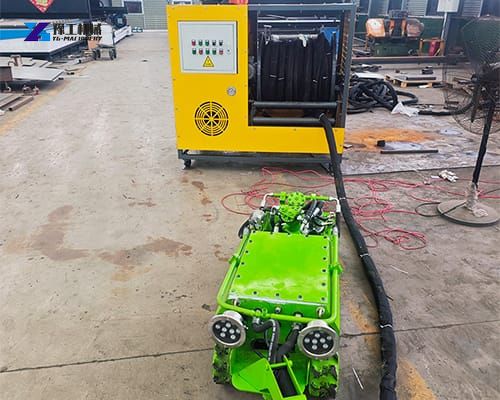
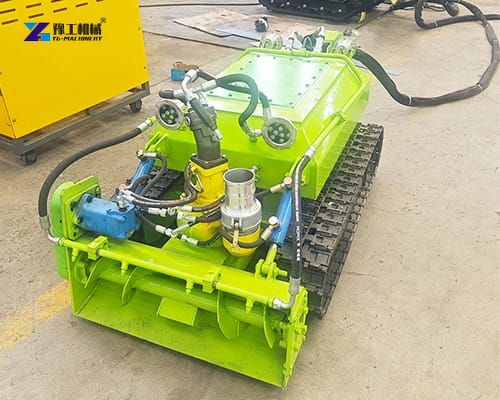
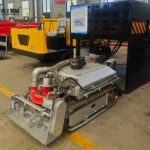
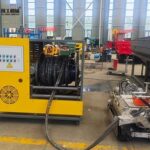
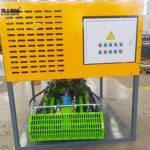
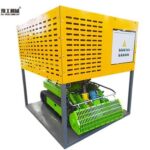
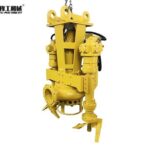
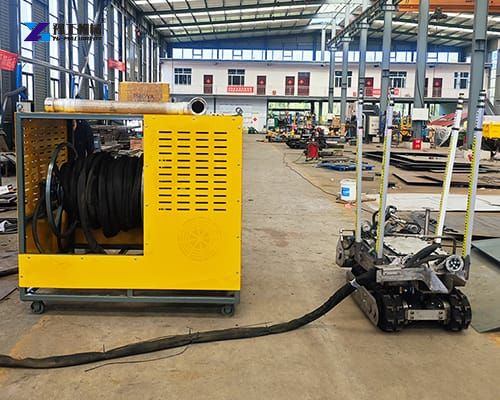
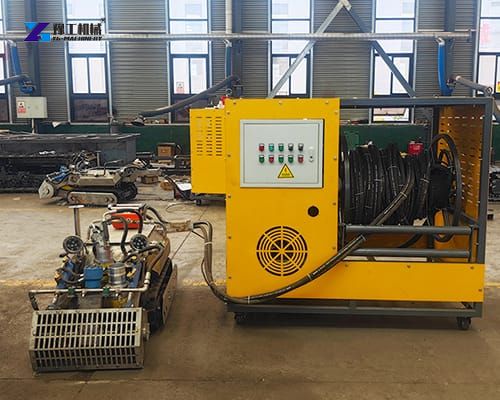
Sewer cleaning robot is a complete integrated system made up of an underwater crawler robot body, hydraulic power station, slurry pumping assembly, wireless remote‑control unit and supporting hydraulic hoses. This machine carries real dredging and pumping capacity. Its crawler chassis moves steadily across layers of settled sludge at the pipe bottom. When it reaches the target working zone, built‑in structures stir hardened mud and mixed waste material into fluid slurry. Then the connected pump transfers the slurry out through hoses to designated collection points above ground. The whole workflow follows a clear sequence. Operators lower the robot through standard manhole openings. After the machine lands on the pipe invert, wireless remote control handles all forward movement, backward travel, and steering. Underwater LED lighting improves visibility inside dark pipe tunnels, so operators can judge sludge distribution and adjust working status in real‑time. There is no requirement to shut down the whole sewer system for many routine cleaning assignments. The robot keeps removing sediment while normal wastewater flows through the pipeline.
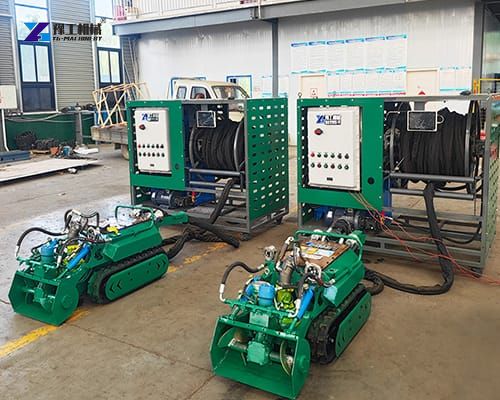
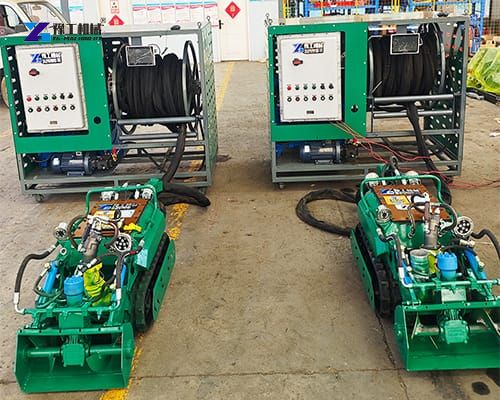
Specifications of Sewer Cleaning Robot
| Model | YG-500 | YG-600 | YG-900 | YG-1200 |
| Robot body | Robot size: 1250mm×500mm×620mm Drainage width: 500mm Travel speed: 3-17M/min | Robot size: 1350mm×600mm×670mm Drainage width: 600mm Travel speed: 3-17M/min | Robot size: 1650mm×900mm×600mm Drainage width: 900mm Travel speed: 3-17M/min | Robot size: 2000mm×1200mm×900mm Drainage width: 1200mm Travel speed: 3-17M/min |
| 4-inch underwater slurry pump | Used for underwater pumping of sludge Pumpable particle diameter: 40mm (can be changed according to customer needs) Lift: 25 meters (horizontal conveying distance 100-150 meters) | Used for underwater pumping of sludge Pumpable particle diameter: 40mm (can be changed according to customer needs) Lift: 25 meters (horizontal conveying distance 100-150 meters) | Used for underwater pumping of sludge Pumpable particle diameter: 40mm (can be changed according to customer needs) Lift: 25 meters (horizontal conveying distance 100-150 meters) | Used for underwater pumping of sludge Pumpable particle diameter: 40mm (can be changed according to customer needs) Vertical distance: 40 meters; horizontal conveying distance 150-200 meters |
| Underwater hydraulic power source | Waterproof hydraulic system | Waterproof hydraulic system | Waterproof hydraulic system | Waterproof hydraulic system |
| Robot main control cabin (underwater) | Used to control all actions of the robot, including the start and stop of underwater hydraulics and the lighting system. | Used to control all actions of the robot, including the start and stop of underwater hydraulics and the lighting system. | Used to control all actions of the robot, including the start and stop of underwater hydraulics and the lighting system. | Used to control all actions of the robot, including the start and stop of underwater hydraulics and the lighting system. |
| Underwater lighting system | 2 LED lights | 2 LED lights | 2 LED lights | 2 LED lights |
| Underwater camera system | Equipped with 1 underwater camera | Equipped with 1 underwater camera | Equipped with 1 underwater camera | Equipped with 1 underwater camera |
| Cable winding system | Electric drive (or manual), speed 0-10r/min | Electric drive (or manual), speed 0-10r/min | Electric drive (or manual), speed 0-10r/min | Electric drive (or manual), speed 0-10r/min |
| Underwater pipeline | 50 meters | 50 meters | 50 meters | 50 meters |
| Ground electric control system | ||||
| Main electric control cabinet | Used to power various ground systems. | Used to power various ground systems. | Used to power various ground systems. | Used to power various ground systems. |
| Main control console | Robot ground main control system, used to control the work of underwater robots | Robot ground main control system, used to control the work of underwater robots | Robot ground main control system, used to control the work of underwater robots | Robot ground main control system, used to control the work of underwater robots |
| Attachments | Sewage pipe, 20 kg pressure resistance, steel frame, 50 meters long. | Sewage pipe, 20 kg pressure resistance, steel frame, 50 meters long. | Sewage pipe, 20 kg pressure resistance, steel frame, 50 meters long. | Sewage pipe, 20 kg pressure resistance, steel frame, 50 meters long. |
| Work efficiency | 100cubic meters per hour | 100-150 cubic meters per hour | 200 cubic meters per hour | 200 cubic meters per hour |
Core Architecture and Operational Principles of the Sewer Cleaning Robot
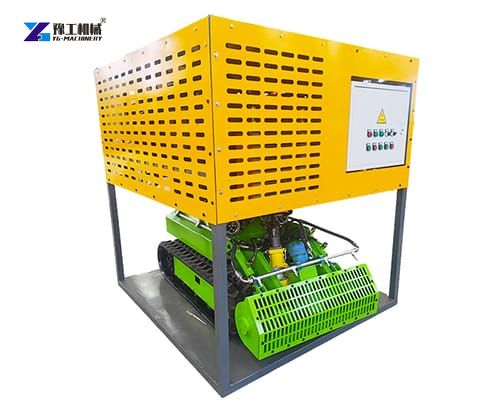
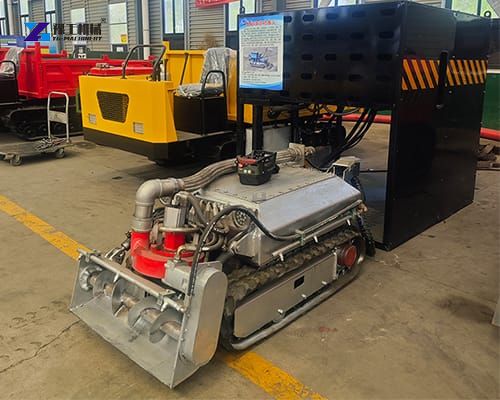
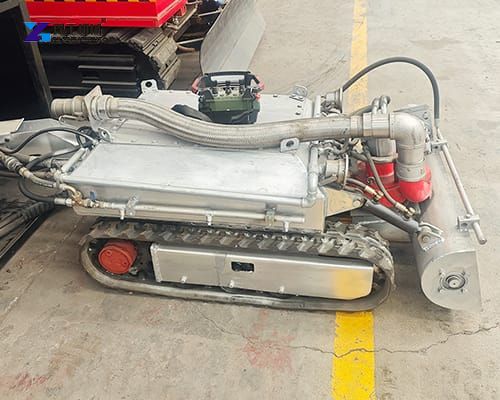
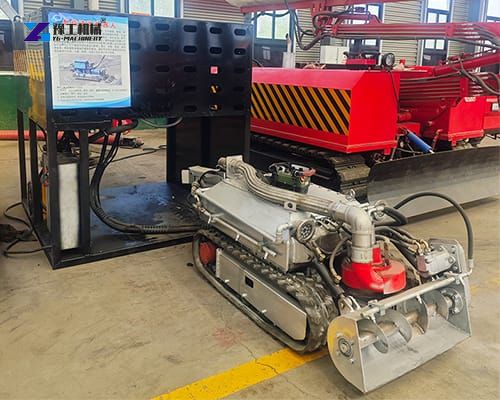
A tracked hydraulic sludge cleaning robot is a specialized, remotely operated vehicle built specifically for submerged and high-density sludge environments. Operating directly inside the pipe or culvert, the machine combines aggressive physical agitation with integrated hydraulic pumping to turn settled solids into a transportable liquid mixture.
1. Heavy-Duty Tracked Mobility
Unlike light inspection crawlers that rely on small electric wheels, an industrial dredging crawler utilizes continuous rubber or steel tracks powered by high-torque hydraulic motors. This heavy-duty locomotion system provides exceptional traction on slick, grease-coated pipe bottoms, uneven brick invert surfaces, and deep gravel beds. The low center of gravity prevents tipping even when navigating turbulent flow or steep incline changes inside box culverts.
2. Front-Mounted Dredging Head
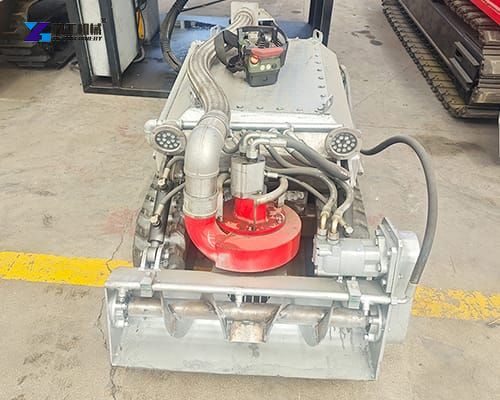
At the front of the robot lies the dredging mechanism, designed to active-cut, scrape, and mobilize compacted sediments. As the tracks propel the machine forward, the dredging head breaks apart hardened mud, gravel, and organic debris, channeling the loosened materials directly toward the inlet suction port of the heavy-duty pump.
3. High-Concentration Slurry Extraction Pumping
Rather than relying on external vacuum hoses that lose suction efficiency over long distances, the sewer cleaning robot features an onboard slurry pump driven directly by the main hydraulic station. This enables the machine to push thick solids and high-density mud across tens or hundreds of meters to external discharge points or dewatering containers at surface level.
4. Sealed Hydraulic Drive System
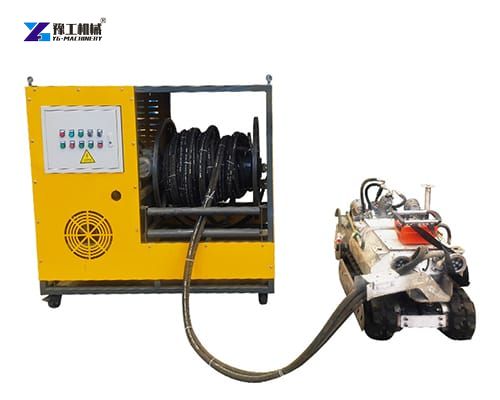
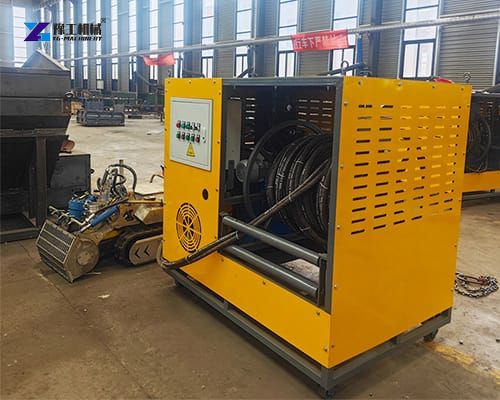
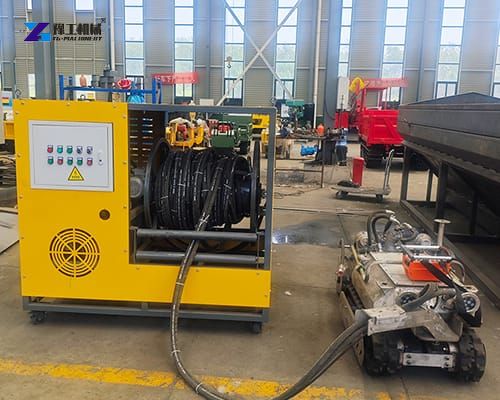
Electrical motors submerged in raw wastewater present significant isolation and burn-out risks under continuous heavy load. A hydraulic power unit stationed at surface level feeds high-pressure fluid through a heavy-duty multi-hose bundle to power the crawler’s drive motors, suction pump, and auxiliary cutters. This guarantees consistent torque, rapid heat dissipation, and complete protection against water ingress.
Advantages for Operator Teams and Field Technicians
- Zero Confined Space Entry: Operators remain safely above ground at the manhole rim or inside an air-conditioned control vehicle, managing all crawler functions via intuitive remote controls.
- Continuous Underwater Operation: Equipped with dual underwater high-intensity LED light arrays and high-definition camera housings, the robot operates seamlessly in zero-visibility or fully flooded pipes.
- High Solid Handling Capability: Designed with open impellers and rugged casing, the integrated pump handles large particle sizes without frequent clogging or mechanical binding.
- Precise Speed and Directional Control: Hydraulic proportional valves allow smooth travel speeds ranging from 3 to 15 meters per minute, allowing operators to match speed to sediment density.
- Long Reach and Flexible Tethering: Standard 50-meter hydraulic hose configurations paired with compact reel systems ensure deep reach into lengthy conduit sections between access chambers.
Core Safety Advantages for Field Operations
One of the most immediate benefits of deploying a remote-controlled sewer cleaning robot is the total elimination of confined space entry for routine cleaning tasks. With a wireless remote control system, operators can stand safely above ground at the manhole opening, controlling every movement of the robot without ever stepping foot into the hazardous pipeline environment. The built-in underwater LED lights on the unit deliver clear visibility even in completely dark, murky sewer conditions, so operators can spot hidden blockages, pipe cracks, or unexpected debris in real time without guesswork.
Performance Features That Boost Daily Productivity
The tracked travel system lets the unit move smoothly through uneven, slippery sewer floors, navigate gentle bends, and maintain stable positioning even when working against strong water flow inside the pipe. The adjustable travel speed range lets operators slow down for precise, targeted cleaning around heavy blockages, or move quickly through empty pipe sections to reach the next work site without wasting time.
The integrated hydraulic power system delivers consistent, reliable pressure to power the dredging pump, so the robot can break down and suction out everything from soft organic sludge and food grease to hardened sediment, small construction debris, and compacted sand that builds up over years of pipeline use. Different model sizes are calibrated to match common sewer pipe diameters, with dredging widths ranging from 500mm up to 1200mm to fit nearly all standard municipal and industrial pipeline sizes. For example, the mid-range YG-700 model delivers a flow rate of 200 cubic meters per hour, making it ideal for handling high-volume dredging tasks in medium-sized sewer lines without requiring extra auxiliary equipment.
Step-by-Step Field Operation Workflow
To achieve optimal cleaning efficiency and prolong machine service life, field teams follow a standardized operating procedure when deploying a remote sewer cleaning robot:
Step 1: Pre-Job Survey and Setup
Before lowering the robot into the manhole or structure, operators conduct a visual inspection to assess water levels, pipe structural integrity, and sediment composition. The surface hydraulic power unit is positioned nearby, and hydraulic lines are connected to the central control station.
Step 2: Machine Deployment and Position Calibration
Using a davit crane or service truck boom, the robot is lowered gently into the access point. Once seated on the invert of the pipe, the dual underwater LED lighting system and front camera feed are verified on the operator screen.
Step 3: Active Dredging and Pumping Routine
The operator engages the hydraulic station, bringing system pressure to operating range. Track travel is set to a low speed (3–5 m/min) while the dredging head and pump commence operation. The machine drives forward into the sludge bank, continuously mixing and pumping slurry out to surface dewatering tanks or vacuum trucks.
Step 4: Inspection and Hose Reel Retrieval
As the robot advances, the automated hose reeling system maintains gentle tension on the 50-meter hydraulic hose bundle (operating at 0–10 r/min) to prevent line entanglement or pinching. Upon reaching the target segment end, the crawler is reversed while continuing suction to ensure a clean channel bottom.
Main Industry Application Scenarios
The versatility of the remote sewer cleaning robot extends across multiple sector domains:
- Municipal Storm Drains and Trunk Sewers: Rapidly clearing seasonal sand buildup, leaf silt, and urban debris from major drainage corridors to prevent catastrophic street flooding during wet seasons.
- Industrial Wastewater Treatment Plants: Removing toxic sludge and chemical precipitate from concrete settling basins, raw intake channels, and neutralization tanks without halting plant operations or risking human exposure.
- Highway and Railway Culverts: Clearing long, low-headroom box culverts beneath transport corridors where conventional excavator booms cannot reach and manual shoveling is prohibited.
- Refineries and Steel Mills: Clearing heavy mill scale, oily residue, and dense mineral slurry from process runoff trenches and cooling water retention basins.
Product Value and Recommended Selection
A high-quality sewer cleaning robot is far more than just a fancy piece of construction equipment – it is a long-term investment that transforms your entire sewer maintenance operation from a high-risk, low-effort manual workflow into a safe, scalable, and highly profitable process. It eliminates the dangers of confined space work for your staff, drastically cuts down on labor and waste disposal costs, lets you complete far more work in every shift, and helps you deliver more consistent, thorough cleaning results that keep your clients satisfied for years. If you are looking for this machine, please contact us freely, and we will help you to find the suitable model for your projects.