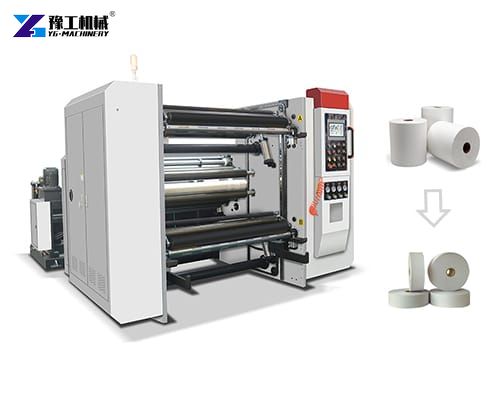
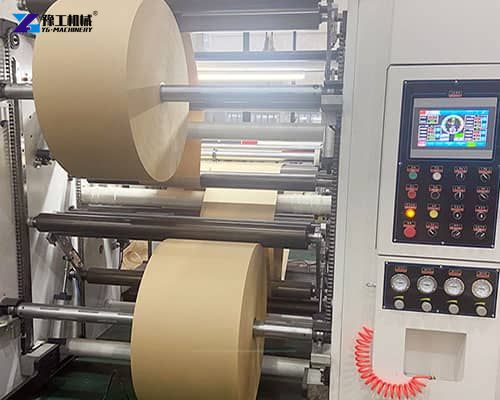
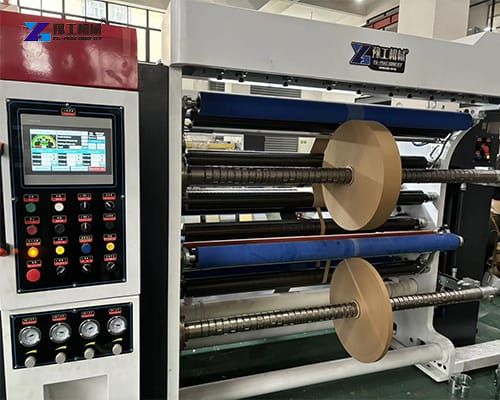
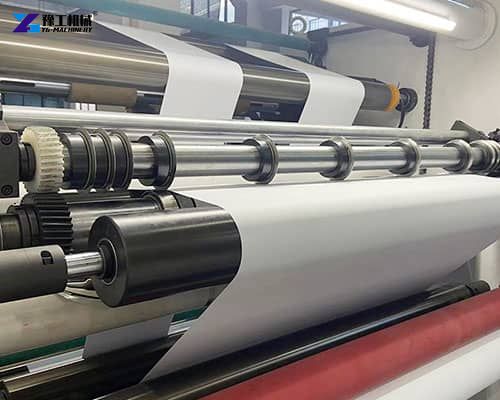
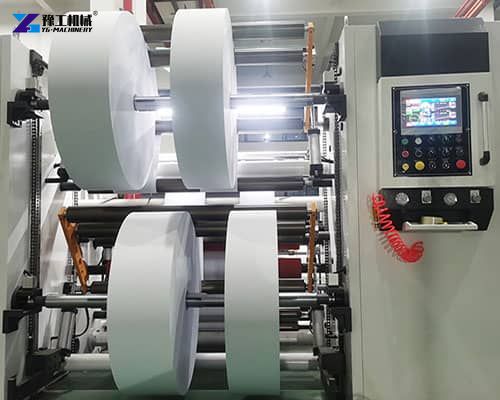
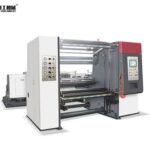
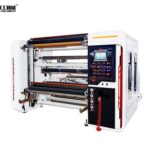
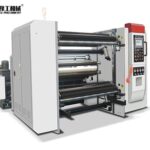
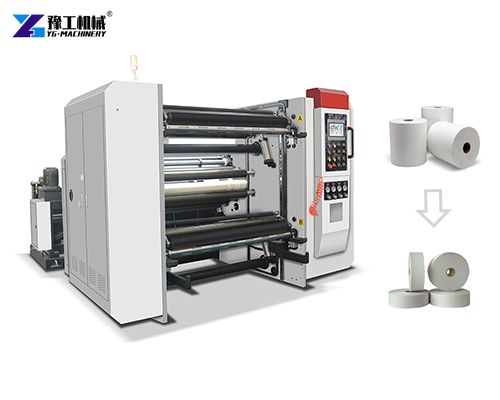
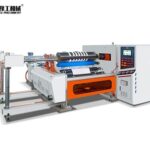
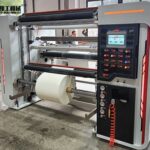
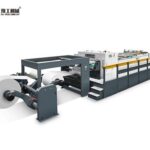
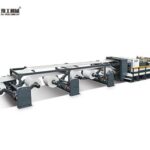
Paper mills produce parent rolls, often called jumbo rolls, that are incredibly wide and heavy. These massive rolls are structurally unsuited for direct use in printing presses, labeling machines, or packaging lines. The paper roll slitting rewinding machine solves this logistical and structural challenge. Its primary function is twofold: it slits a wide web of paper into narrower ribbons and simultaneously rewinds those ribbons into tightly controlled, neatly aligned finished rolls. This process is not merely about resizing; it is about restoring structural integrity to the roll and ensuring uniform tension.
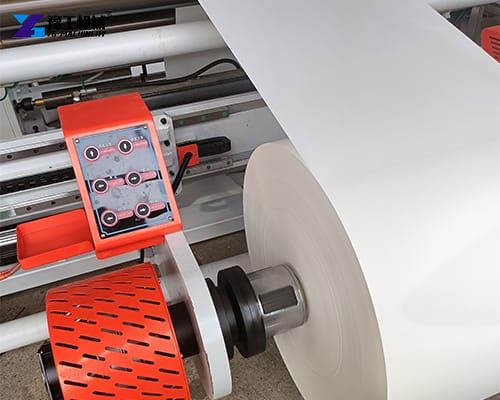
paper roll slitting rewinding machine
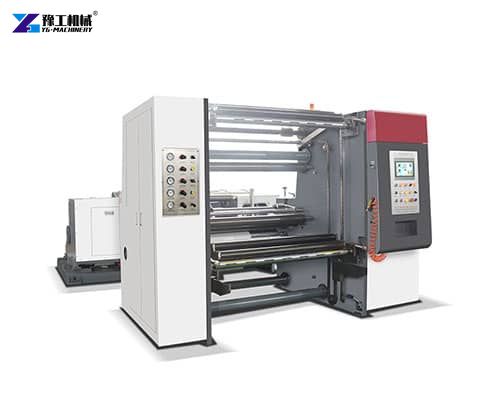
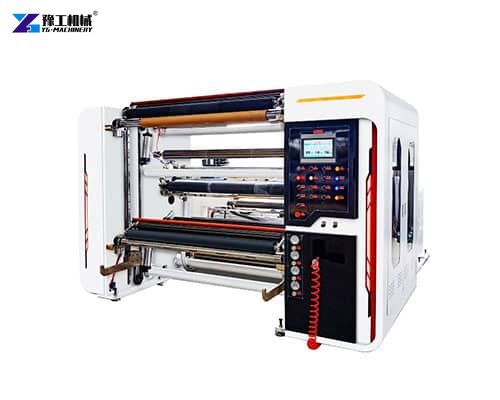
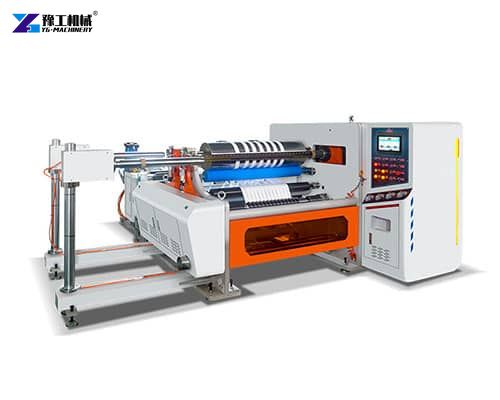
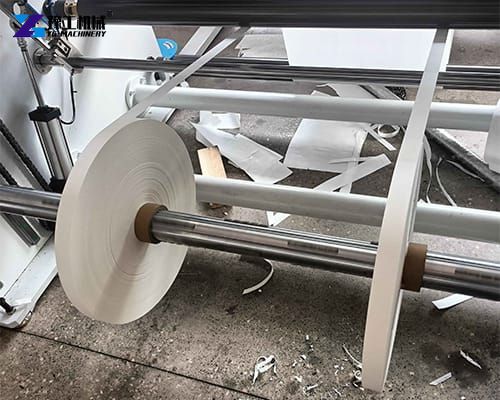
paper slitter rewinder machine
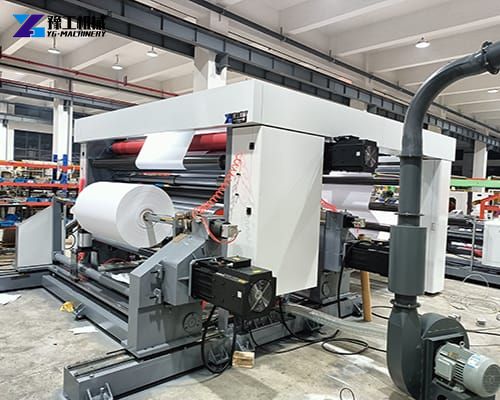
Technical Data of Paper Roll Slitting Rewinding Machine
Modern paper roll slitting rewinding machines are equipped with humanized and industrial-grade functional features tailored to the characteristics of various paper materials, ensuring stable operation and high-precision processing.
First of all, the equipment adopts an intelligent automatic control system, supporting one-key start, automatic meter counting, and processing completion alarm functions. This intelligent design effectively reduces manual intervention, avoids processing errors caused by human operation, and improves the consistency of finished products.
Secondly, the machine is equipped with a high-precision slitting tool system, which can complete smooth cutting of different types of paper materials without burrs, cracks, or edge warping, ensuring neat and flat cutting edges of finished paper rolls.
In terms of structural flexibility, the equipment supports adjustable slitting width and rewinding tension, which can adapt to processing requirements of different paper grammages and roll specifications.
Some high-end models are also equipped with automatic deviation correction devices, which can dynamically adjust the material conveying track during operation to prevent paper roll deviation and wrinkling, further improving the yield of finished products.
The versatility of the paper roll slitting rewinding machine makes it indispensable across a vast spectrum of industries. Every sector that relies on flexible webs or paper substrates utilizes this technology in some capacity.
In the flexible packaging sector, the machine handles diverse paper grades destined for food wrapping, medical pouches, and shopping bags. The growth of e-commerce has also triggered an unprecedented demand for automated labeling solutions, placing the slitting rewinder at the center of pressure-sensitive label stock and release liner production.
Beyond packaging, the commercial printing industry relies heavily on converted rolls for web-fed offset and digital printing presses. From thermal paper used in point-of-sale receipt rollers to fine tissue grades for hygienic products, and even specialized kraft paper utilized in industrial core making, the applications are nearly endless. Each material demands a specific slitting method and tension profile, highlighting the need for highly adaptable machinery.hed rolls suitable for printing machines, solving the problem of mismatched raw material specifications and printing equipment, and improving printing efficiency and printing quality.
For special paper industries, it can handle slitting and rewinding of silicon coated paper, adhesive base paper, and industrial wrapping paper, meeting the high-precision processing requirements of special functional paper materials.
The Internal Architecture and Structural Components
A paper roll slitting rewinding machine is a masterpiece of synchronized mechanical and electrical engineering. It is divided into several main structural modules, each tasked with a specific role in managing the moving web.
The Unwind Section This module securely holds the master jumbo roll. It is equipped with heavy-duty safety chucks or a shaftless lift system to handle extreme weights. A sophisticated braking system works in tandem with load cells to regulate the initial tension as the web enters the machine.
The Guiding and Web Paths As the paper travels forward, it passes over a series of precision-ground roller bars. Automatic web guide systems use ultrasonic or optical sensors to detect any lateral shifting of the paper, instantly shifting the unwind stand or steering rollers to keep the material perfectly centered before it reaches the knives.
The Slitting Module This is where the actual transformation occurs. Depending on the material properties, this section houses either rotary shear knives, razor blades, or score cutters. The spacing between these blades determines the exact width of the finished output rolls.
The Rewind Station After slitting, the separated paper strips are guided onto the rewind shafts. Modern systems often employ duplex winding shafts or surface rewinding drums, utilizing differential friction shafts to ensure that every individual roll winds evenly, regardless of minor variations in paper thickness across the web.
The Control Center Usually housed in an ergonomic console, the programmable logic controller and human-machine interface screen allow operators to monitor real-time data, adjust cutting speeds, and manage knife positioning with exceptional clarity.
How It Works: The Step-by-Step Operational Principle
The workflow of a paper roll slitting rewinding machine follows a continuous, elegant loop of feeding, cutting, and gathering. The process begins when a jumbo roll is loaded onto the unwind shaft. The leading edge of the paper web is threaded manually or automatically through the roller array, passing through the web guide and the slitting assembly, before finally being secured to the new cardboard cores on the rewind shaft.
Once the operator initiates the sequence via the control panel, the drive motors engage. The unwind stand releases the paper under strict tension tracking, while the main pull rollers draw the web through the slitting station at a controlled velocity. As the paper passes the rotating circular knives, it is cleanly sheared into the designated widths.
Immediately following the cut, the slitted webs are separated slightly to prevent overlapping edges and are directed onto the rotating rewind shafts. The machine continuously calculates the growing diameter of the finished rolls, adjusting the torque of the rewind motors to prevent overtightening.
Once the target length or diameter is achieved, the machine decelerates smoothly to a stop, allowing the operator to discharge the finished rolls using automated unloading trees or hydraulic lowering gates.
Selecting the right paper roll slitting rewinding machine requires a comprehensive evaluation of your current production needs and future business expansion goals. Making a rushed decision based solely on upfront costs can lead to operational bottlenecks or premature equipment replacement.
Evaluate Material Characteristics Your primary consideration must be the exact properties of the paper you intend to convert. Consider the minimum and maximum basis weights, measured in grams per square meter, as well as the surface texture. Coated or slippery papers require specialized traction rollers to prevent slippage, while highly abrasive recycled boards demand hardened tungsten carbide knives to resist premature wear.
Determine Output Size Diversity Analyze the variety of finished roll sizes your customers require. If your business shifts frequently between narrow receipt paper rolls and wide packaging sheets, prioritize a machine equipped with an automatic knife positioning system. This feature reduces setup times from hours to minutes, maximizing your daily uptime.
Assess Space and Floor Layout Industrial machinery requires ample space, not just for the unit itself, but for the safe loading of jumbo rolls and the staging of finished pallets. Measure your facility layouts carefully and ensure that the machine configuration, whether it is an inline design or a compact vertical arrangement, fits safely into your workflow.