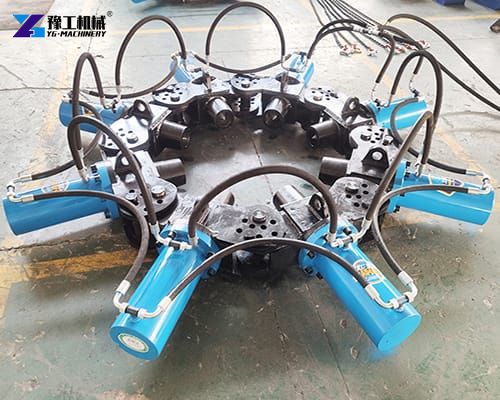
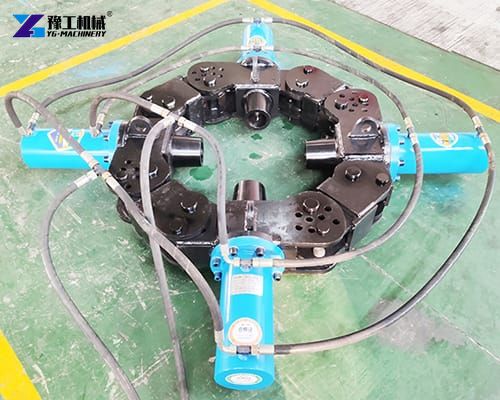
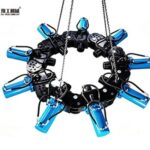
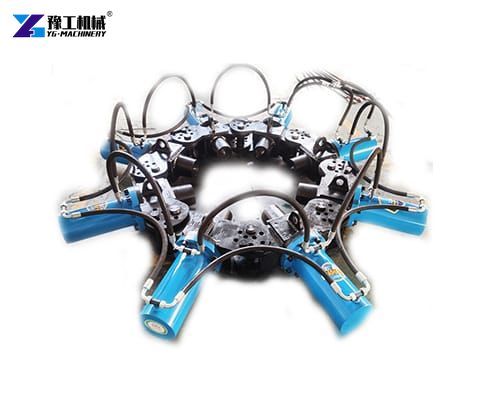
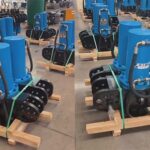
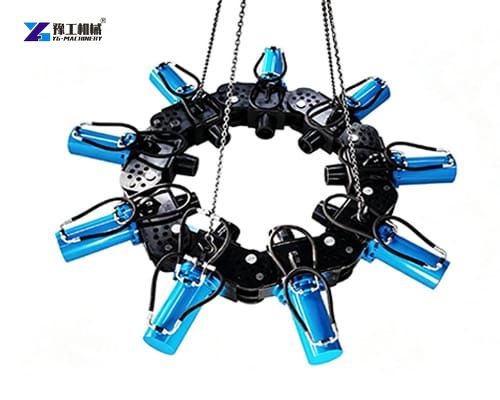
Hydraulic pile breaking machine, often referred to as a hydraulic pile cutter or pile crusher, is a specialized attachment designed to break concrete piles down to a predetermined level, exposing the reinforcement bars cleanly without damaging the structural integrity of the pile below the cut. The hydraulic pile breaker applies immense, synchronized clamping force to crush the concrete through compression. This method ensures a clean, horizontal break, leaving the rebar intact and perfectly aligned for connection to the foundation structure. The core engineering principle behind these machines involves a modular design where multiple hydraulic cylinders work in unison. As the machine descends over the pile, the hydraulic modules activate, pushing breaking steel bars inward. The concrete, being strong in compression but weak in tension, fractures along a controlled plane. This process is not only faster but also significantly quieter and safer than percussive methods, making it a preferred choice on urban construction sites with strict noise and vibration regulations.
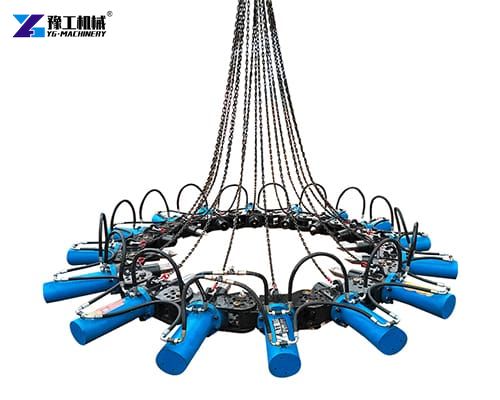
Parameters of Hydraulic Pile Breaking Machine
| Model | YG-800 | YG-980 | YG-1150 | YG-1300 | YG-1500 | YG-1650 | YG-1800 | YG-2000 | YG-2150 | YG-2300 | YG-2500 |
| Applicable pile diameter | 600-800mm | 800-900mm | 1100-1150mm | 1150-1300mm | 1300-1500mm | 1500-1650mm | 1650-1800mm | 1800-2000mm | 2000-2150mm | 2150-2300mm | 2300-2500mm |
| Number of modules | 8 | 9 | 10 | 11 | 12 | 13 | 14 | 15 | 16 | 17 | 18 |
| Machine weight | 2400kg | 2700kg | 3000kg | 3300kg | 3600kg | 3900kg | 4200kg | 4500kg | 4800kg | 5100kg | 5400kg |
| Applicable excavator model | 20-30T | 20-30T | 20-30T | 30-40T | 30-40T | 30-40T | Hydraulic pump station | Hydraulic pump station | Hydraulic pump station | Hydraulic pump station | Hydraulic pump station |
| Cylinder stroke | 250mm | 250mm | 250mm | 250mm | 250mm | 250mm | 250mm | 250mm | 250mm | 250mm | 250mm |
| Working pressure | 35Mpa | 35Mpa | 35Mpa | 35Mpa | 35Mpa | 35Mpa | 35Mpa | 35Mpa | 35Mpa | 35Mpa | 35Mpa |
| Oil storage capacity of a single module | 5L | 5L | 5L | 5L | 5L | 5L | 5L | 5L | 5L | 5L | 5L |
| Breaking force | 70T | 70T | 70T | 70T | 70T | 70T | 70T | 70T | 70T | 70T | 70T |
How Does the Hydraulic Pile Breaker Work?
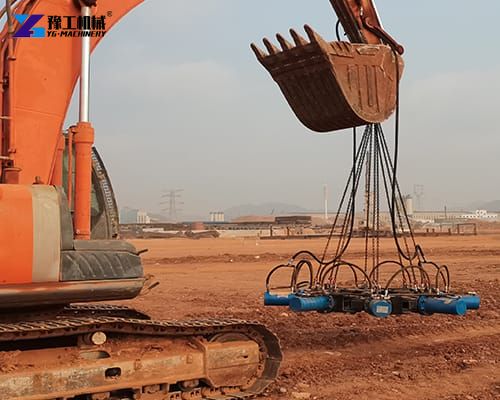
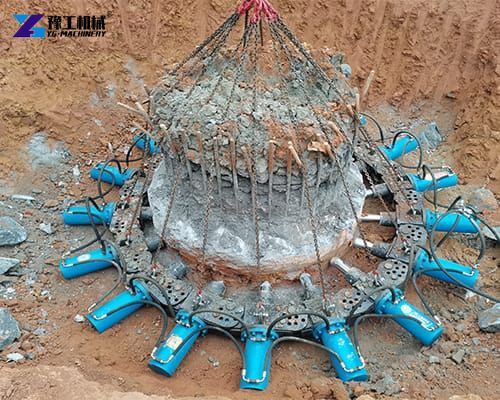
The hydraulic pile breaking machine is positioned around the pile head at the required breaking elevation. Once the machine is correctly aligned, hydraulic oil is supplied to the cylinders. The cylinders extend and push the cutting elements against the concrete from multiple points around the pile.
Concrete has high compressive strength but is much more vulnerable to tensile stress. When pressure is applied from several directions, stresses develop inside the concrete until it fractures along the intended section. The excess pile head can then be lifted or removed, leaving the reinforcement ready for the next stage of foundation construction.
This method is different from impact demolition. A conventional breaker delivers repeated blows, while a hydraulic pile cutter mainly uses controlled hydraulic pressure. The static nature of the process can help reduce unnecessary vibration and improve control around the cut-off level.
Faster Pile Head Preparation
Pile head breaking is often repetitive work. A project may contain dozens or hundreds of piles, and even a small reduction in processing time per pile can create a significant difference over the full project schedule. Manual breaking usually requires workers to remain close to the pile and continuously handle heavy tools. The work can become physically demanding when repeated across a large number of piles. The transfers most of the breaking force to the machine’s hydraulic system. The operator can position the equipment, activate the hydraulic circuit, complete the breaking cycle, and move to the next pile. This creates a more repeatable workflow. For high-volume foundation projects, repeatability is especially important.
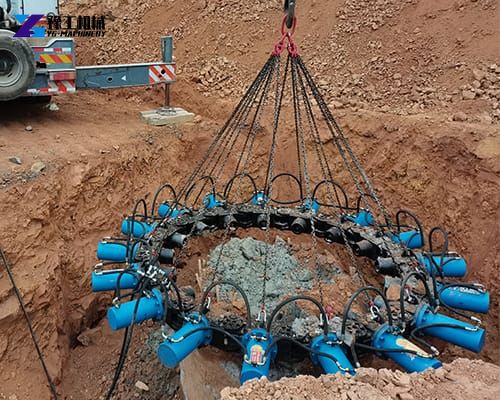
Protecting the Reinforcement During Pile Breaking
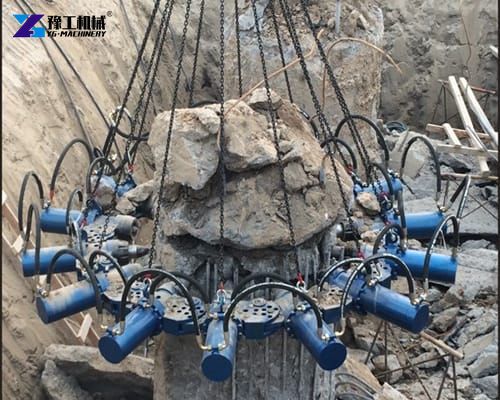
Reinforcement protection is a major consideration when choosing a pile head breaking machine. The purpose of pile cropping is normally to remove excess concrete while keeping the reinforcement available for connection to the pile cap or other structural element. An uncontrolled demolition method can make this task more difficult because aggressive impact may damage or deform reinforcement. The hydraulic pile breaker is designed to concentrate the breaking action on the concrete around the reinforcement. The controlled radial pressure helps create a fracture in the concrete while allowing the reinforcement to remain available for the next construction stage. Industry descriptions of hydraulic pile croppers commonly highlight this controlled breaking action and the goal of keeping reinforcement intact. This does not mean that every operating condition will produce the same result. Concrete strength, reinforcement density, pile construction quality, machine positioning, and operator technique all matter.
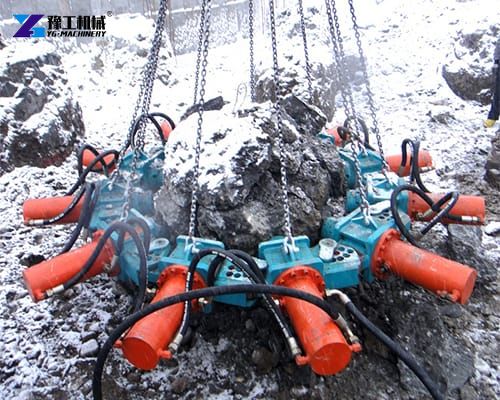
Choosing the Right Hydraulic Pile Breaking Machine for Your Project
Selecting the appropriate machine requires a careful analysis of project-specific parameters.
1. Assessment of Pile Specifications and Site Conditions
The primary factor is the pile diameter. The machine’s applicable range must comfortably accommodate the project’s pile diameters. It is generally recommended to select a machine whose upper capacity exceeds the maximum pile diameter on the project by a small margin. This ensures that the machine is not operating at its extreme limit, which can cause premature wear and reduced efficiency. Additionally, consider the pile’s reinforcement ratio. Heavily reinforced piles require greater breaking force and may benefit from a machine with a higher number of modules or a specialized configuration.
The site conditions are equally important. Is the site accessible for heavy machinery? Is there a stable power source for a pump station, or will the machine need to operate using an excavator’s auxiliary hydraulic system? For projects with limited access, a compact, excavator-mounted machine may be the only viable option. For large, open sites with consistent conditions, a pump station-powered machine might offer the best performance and reliability.
2. Evaluating Carrier Equipment and Hydraulic Capacity
As previously mentioned, the carrier equipment’s hydraulic capacity (flow rate and pressure) must be matched to the pile breaker’s requirements. Using a machine that demands more hydraulic power than the excavator can supply will result in sluggish operation and potential overheating. Conversely, using a machine that requires less flow than the excavator provides may lead to excessive oil velocity, which can also damage the attachment.