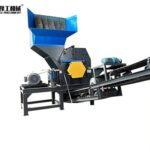
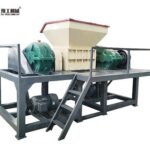
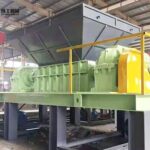
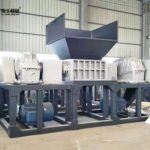
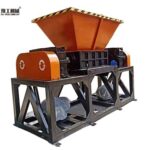
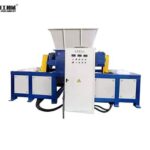
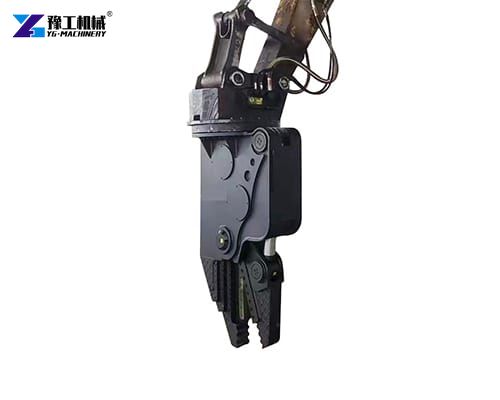
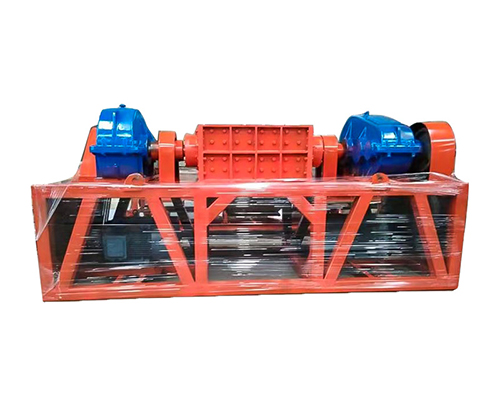
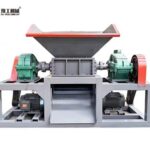
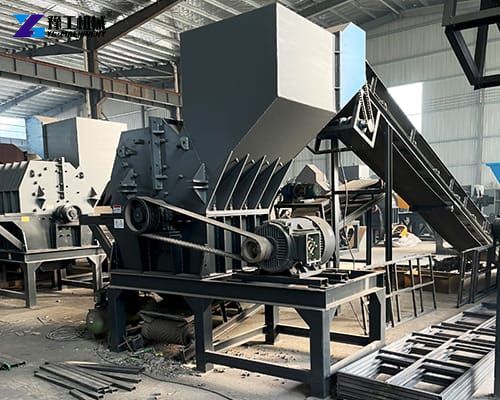
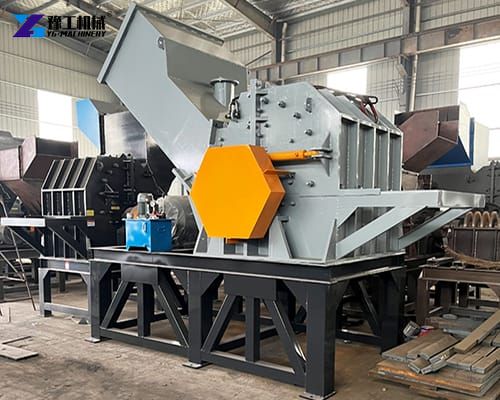
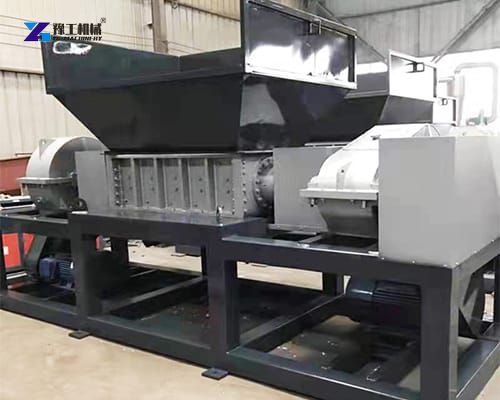
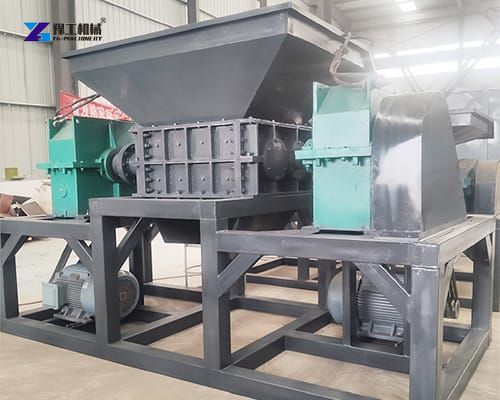
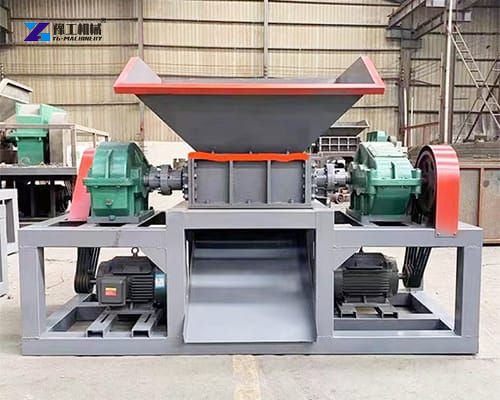
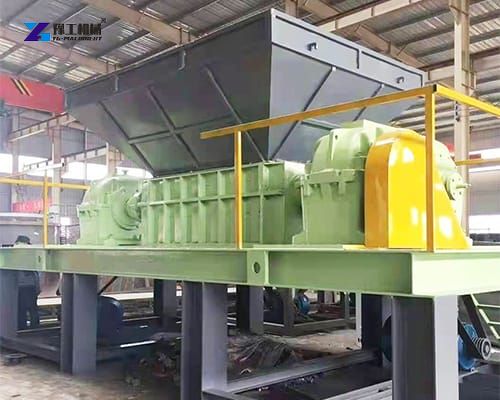
Industrial metal shredder machine is a heavy-duty piece of processing equipment designed to process bulky, irregular, and difficult metal waste into smaller pieces that are easier to handle, sort, transport, and recycle. The industrial shredder is built for continuous operation and demanding feed materials, making it suitable for scrap yards, metal recycling plants, manufacturing facilities, demolition operations, and integrated waste processing lines. Most mainstream models on the market follow a modular design structure, consisting of a heavy-duty feeding hopper, reinforced shredding chamber, high-torque drive system, stable spindle assembly, and integrated discharge conveyor. For bulky and mixed scrap, a dual-shaft configuration is particularly practical. Two parallel shafts rotate in opposite directions, allowing the cutters to grab material, pull it into the cutting chamber, and break it through shearing, tearing, and compression. Various models support different material shredding. For more details, please contact us, and we will reply to you as soon as possible.
Industrial Metal Shredder Machine Specifications
| Model | YG-600 | YG-800 | YG-1000 | YG-1200 | YG-1400 | YG-1600 | YG-1900 | YG-2200 | YG-2600 |
| Power | 4-15*2 kw | 4-22*2kw | 4-30*2kw | 4-37*2kw | 4-45*2kw | 4-75*2KW | 4-90*2kw | 4-132*2kw | 4-160*2kw |
| Spindle Model | 18-20r/min | 18-35r/min | 18-35r/min | 18-35r/min | 14-35r/min | 14-25r/min | 14-25r/min | 16-25r/min | 16-25r/min |
| Capacity | 2-3t/h | 3-5t/h | 5-8t/h | 6-10t/h | 8-12t/h | 12-18t/h | 16-22t/h | 20-26t/h | 25-60t/h |
| Broken Size | 3-10cm | 3-10cm | 3-10cm | 3-10cm | 3-10cm | 3-10cm | 3-10cm | 3-10cm | 3-10cm |
| Hopper Size | 820*900mm | 900*1000mm | 1200*1000mm | 1400*1000mm | 2000*2000mm | 2300*2000mm | 2300*2000mm | 2500*1800mm | 2425*1400mm |
| Dimensions | 2600*2000*1900mm | 2800*2000*1900mm | 3000*2000*1900mm | 3200*2000*1900mm | 4000*1700*2400mm | 5000*3000*2400mm | 6000*3500*2400mm | 7000*4000*4500mm | 8200*4000*4300mm |
Working Principle of Industrial Shredder Machines
The working principle of an industrial metal shredder machine relies on controlled high torque and mechanical force to break down scrap metal without excessive energy waste. When scrap material is fed into the hopper, it is guided steadily into the sealed shredding chamber, where the rotating spindle fitted with heavy-duty, sharp shredding blades applies continuous tearing, squeezing and impact force to the incoming metal.
The high-torque drive system ensures the rotor maintains stable rotational speed even when processing extra-thick or unexpectedly hard metal pieces, preventing sudden stalling that can disrupt production flow. As the metal is repeatedly torn and sheared between the moving blades and the fixed counter blades mounted on the chamber wall, it is gradually reduced to the pre-set fragment size. Once the shredded pieces are small enough to pass through the sizing screen at the bottom of the shredding chamber, they fall onto the discharge conveyor and are transported out for the next processing step, such as magnetic separation to remove ferrous impurities. This straightforward, reliable working mechanism minimizes unnecessary complex moving parts, making daily operation far easier for on-site equipment operators to learn and manage.
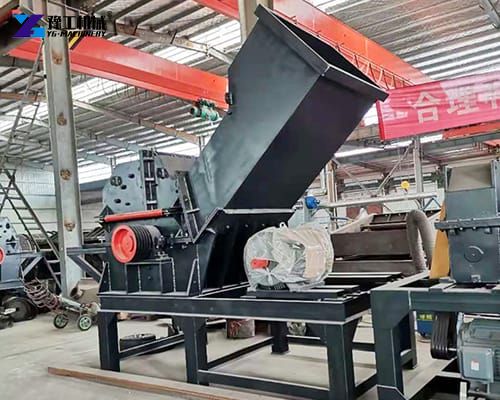
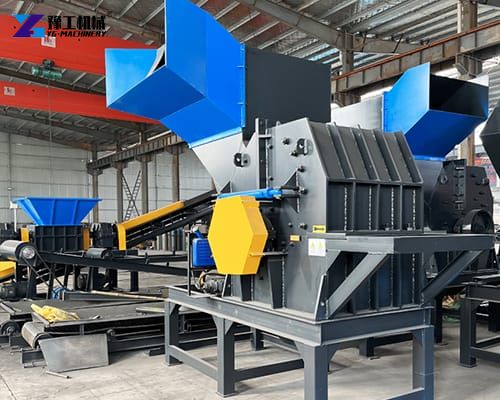
Common Application Scenarios for Metal Shredder Machines
- Industrial metal shredder machines are used across a wide range of industries that handle scrap metal as part of their regular operations. The most common use case is in scrap metal recycling yards, where these machines process paint drums, diesel barrels, thin iron sheets, car shells, metal briquettes, and leftover metal plate scraps from manufacturing lines.
- Other key application scenarios include end-of-life vehicle dismantling facilities, where shredders break down full car bodies into manageable fragments to simplify subsequent sorting of steel, aluminum and copper.
- Manufacturing plants that generate large volumes of metal offcuts during production use these shredders to reduce the volume of their waste scrap, cutting down on transportation costs for sending scrap to smelters.
- Electronic waste processing centers also rely on industrial metal shredders to safely break down discarded metal-framed electronic devices, helping separate valuable metal components from plastic and circuit board materials.
- Even small scrap collection depots benefit from compact industrial metal shredders, as they can turn low-value loose scrap into high-density shredded material that fetches a better price from metal smelters.
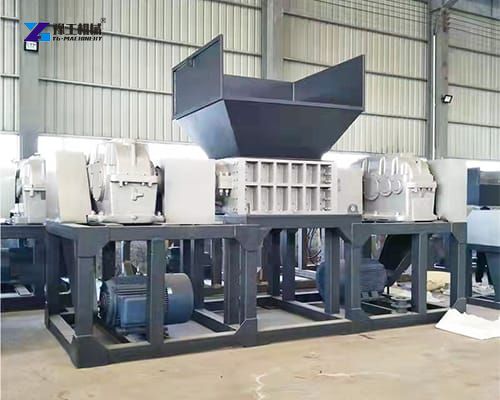
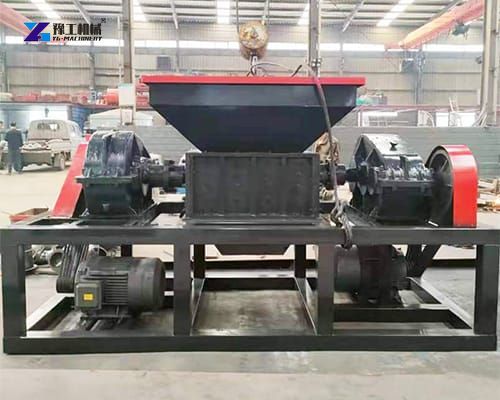
Core Performance of the Industrial Metal Shredding Machines
The core performance of a high-quality industrial metal shredder machine is measured by four key practical metrics that directly impact daily operational efficiency.
- First is consistent shredding throughput: a well-engineered unit can process a steady volume of scrap every hour without frequent downtime, even during extended continuous operation shifts.
- Second is output uniformity: the shredded fragments produced are consistent in size, which makes subsequent sorting and processing steps far more efficient and reduces the amount of unqualified oversized material that needs to be re-shredded.
- Third is load stability: the machine can automatically adjust its torque output to adapt to different material thicknesses and hardness levels, avoiding sudden motor burnout or blade damage when unexpected hard objects enter the chamber.
- Fourth is wear resistance of core components: the shredding blades and chamber liners are made from high-strength alloy steel that can maintain sharp cutting performance for thousands of operating hours before needing replacement.
Advantages of Industrial Shredding Machines
Compared to traditional manual cutting or small crushing equipment, industrial metal shredder machines deliver clear, tangible advantages for both procurement teams and on-site operators.
- The first major advantage is significant operational cost savings: by shredding scrap on site, facilities can drastically reduce the volume of metal waste, cutting down the number of trips needed to transport scrap to smelters and lowering overall logistics expenses.
- The second advantage is improved workplace safety: instead of workers manually cutting or breaking large, heavy metal pieces with hand tools, the fully enclosed shredding chamber keeps operators far away from sharp, flying metal fragments, drastically reducing the risk of on-site injury.
- The third advantage is higher scrap value: uniformly shredded high-density metal commands a higher purchase price from steel mills and smelters, as it melts more efficiently in furnaces and contains far fewer non-metal impurities than loose unprocessed scrap.
Industrial Metal Shredder for Sale and Related Product Recommendations
A reliable industrial metal shredder machine is an indispensable long-term asset for any operation that processes scrap metal, delivering consistent performance, low long-term operating costs, improved workplace safety, and clear environmental benefits. For small to mid-sized scrap yards that are just getting started, compact models with moderate power output offer an ideal balance of performance and affordability, making them easy to integrate into existing processing workflows without requiring major site upgrades. For larger high-volume recycling facilities, higher capacity units with reinforced heavy-duty components can keep up with large daily scrap intake volumes.
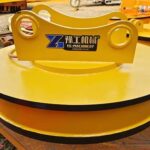
If you are looking to build a full end-to-end metal recycling line, pairing your industrial metal shredder with a magnetic separation conveyor will help you automatically separate ferrous metal from non-ferrous fragments and non-metal impurities, further boosting the purity and final market value of your shredded output. Adding a simple dust collection unit around the shredding station will also capture fine metal dust generated during operation, keeping the workplace air clean and meeting local environmental protection requirements.