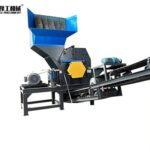
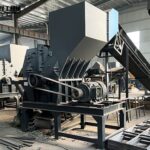
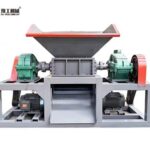
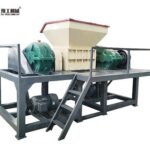
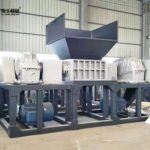
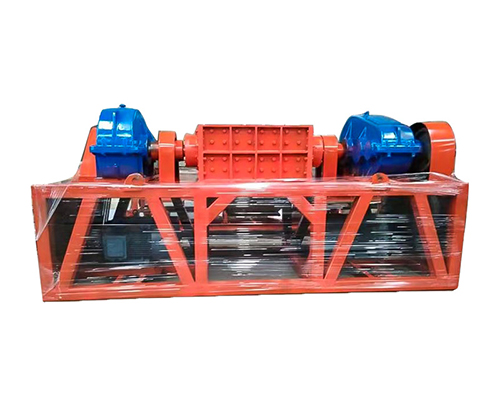
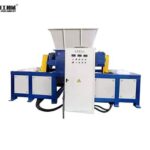
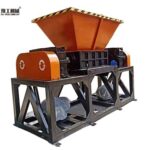
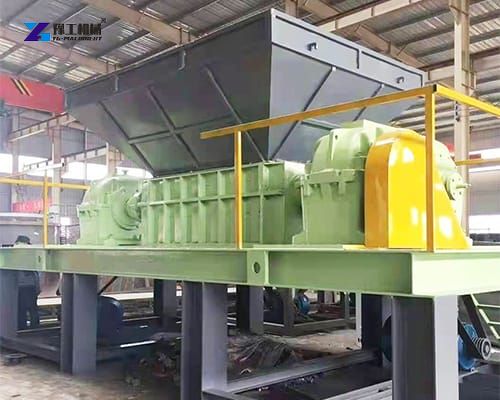
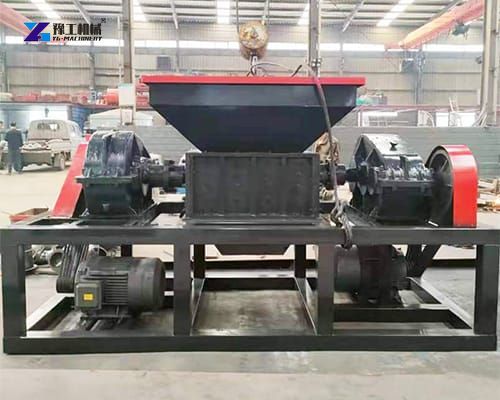
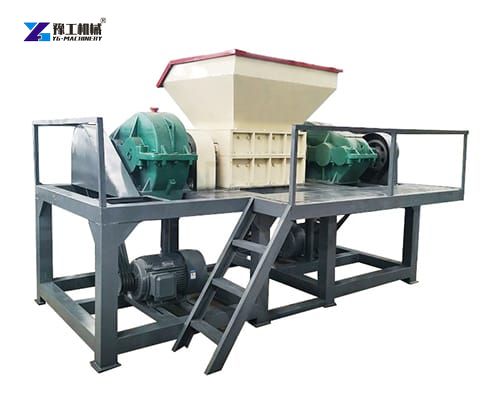
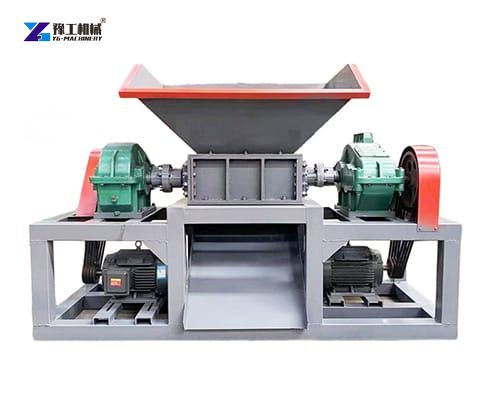
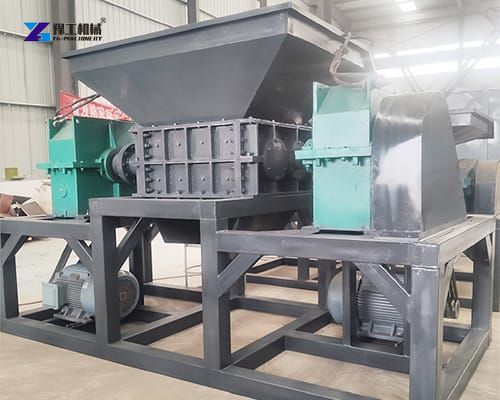
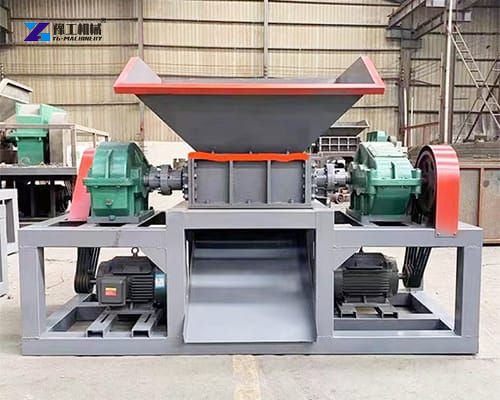
Scrap metal shredder machine is heavy-duty recycling equipment used to reduce the size and volume of ferrous and non-ferrous metal scrap. Depending on the machine design, it can use shearing, tearing, compression, impact, or a combination of these mechanical forces to break down difficult materials. The machine normally includes a feeding hopper, shredding chamber, cutting or tearing system, drive unit, frame, discharge section, and electrical control system. In a complete recycling line, the shredder may work together with conveyors, magnetic separators, eddy current separators, screens, balers, or other sorting equipment. The important point is that a shredder should not be selected only by looking at the word “metal.” Different scrap streams behave very differently. Thin steel sheet, aluminum profiles, electric motors, automotive parts, copper-bearing components, and mixed household appliances can place different demands on the cutting system and drive. The metal recycling systems commonly use shredding as an upstream process because size reduction can make material easier to transport and can improve the conditions for later separation and recovery.
Specifications of Scrap Metal Shredder Machine
| Model | YG-600 | YG-800 | YG-1000 | YG-1200 | YG-1400 | YG-1600 | YG-1900 | YG-2200 | YG-2600 |
| Power | 4-15*2 kw | 4-22*2kw | 4-30*2kw | 4-37*2kw | 4-45*2kw | 4-75*2KW | 4-90*2kw | 4-132*2kw | 4-160*2kw |
| Spindle Model | 18-20r/min | 18-35r/min | 18-35r/min | 18-35r/min | 14-35r/min | 14-25r/min | 14-25r/min | 16-25r/min | 16-25r/min |
| Capacity | 2-3t/h | 3-5t/h | 5-8t/h | 6-10t/h | 8-12t/h | 12-18t/h | 16-22t/h | 20-26t/h | 25-60t/h |
| Broken Size | 3-10cm | 3-10cm | 3-10cm | 3-10cm | 3-10cm | 3-10cm | 3-10cm | 3-10cm | 3-10cm |
| Hopper Size | 820*900mm | 900*1000mm | 1200*1000mm | 1400*1000mm | 2000*2000mm | 2300*2000mm | 2300*2000mm | 2500*1800mm | 2425*1400mm |
| Dimensions | 2600*2000*1900mm | 2800*2000*1900mm | 3000*2000*1900mm | 3200*2000*1900mm | 4000*1700*2400mm | 5000*3000*2400mm | 6000*3500*2400mm | 7000*4000*4500mm | 8200*4000*4300mm |
How Does a Scrap Metal Shredder Work?
First, scrap metal is loaded into the hopper. Depending on the plant layout, feeding can be performed by a loader, crane, conveyor, or other handling equipment. The hopper provides a controlled path into the shredding chamber.
Inside the chamber, the metal meets the rotating cutting or tearing components. In a typical low-speed, high-torque design, the cutting shafts pull the material inward while applying strong mechanical force. The metal is gripped, compressed, torn, and sheared until it is reduced to smaller pieces.
The shredded material then leaves the machine through the discharge section. From there, it can be transferred to a conveyor for sorting, screening, further size reduction, baling, or furnace preparation.
For recycling operations, the scrap metal shredder machine is therefore only one part of the material flow. The complete process can look like:
Feeding → Shredding → Conveying → Magnetic Separation → Non-Ferrous Separation → Screening → Final Recovery
The exact layout depends on the material and the required final product. For example, ferrous scrap can be separated magnetically after shredding, while aluminum and other non-ferrous materials may require additional separation technologies.
Main Applications of Scrap Metal Shredders
1. Automotive Scrap Recycling
End-of-life vehicles are one of the most demanding scrap streams because a vehicle combines steel, aluminum, copper, plastics, rubber, glass, and other materials.
The scrap metal shredder machine can process prepared automotive components and help reduce bulky parts into smaller fragments. The resulting material can then move through magnetic and other separation systems.
For automotive recycling businesses, the key objective is usually to improve material liberation and prepare different fractions for recovery rather than simply reduce the physical size of the vehicle.
Large automotive scrap may require upstream depollution, dismantling, cutting, or other preparation before shredding. Proper feed preparation also helps protect the machine and maintain stable operation.
2. Steel and Iron Scrap
Steel sheets, structural pieces, stamped parts, metal offcuts, and other ferrous scrap are common applications for industrial shredders.
Reducing large steel pieces can make storage and transportation more convenient while creating a more consistent feed for downstream processing. In some recycling systems, shredding also helps remove unwanted air space from bulky material and increases material density.
For scrap yards, this can be especially useful when large volumes of irregular steel waste need to be processed continuously.
3. Aluminum Scrap
Aluminum is lightweight but can occupy a large volume when received as sheets, profiles, wheels, cans, radiators, or other bulky products.
A suitable aluminum shredding process can reduce volume and prepare the material for sorting. In larger recycling systems, shredded aluminum can then be classified by size and separated from other metals or non-metallic contaminants.
The correct machine configuration depends heavily on the thickness, shape, alloy, and preparation condition of the aluminum feed.
4. Electric Motors and Metal Components
Waste electric motors, pumps, gearboxes, and similar assemblies contain valuable metal combinations.
Shredding can help open these assemblies so that steel, copper, aluminum, and other fractions become easier to recover. However, purchases should consider the largest component dimensions, shaft structures, motor housing thickness, and the desired recovery process before choosing equipment.
5. Waste Appliances
Washing machines, refrigerators, air-conditioning components, metal cabinets, and other appliances can contain mixed materials.
A shredder can reduce the bulky metal-containing structure and prepare the material for subsequent sorting. Depending on the product, additional steps may be required to remove hazardous substances, plastics, insulation, glass, or other non-metallic components before or after shredding.
Core Performance of a Scrap Metal Shredder Machine
1. Strong Torque for Difficult Materials
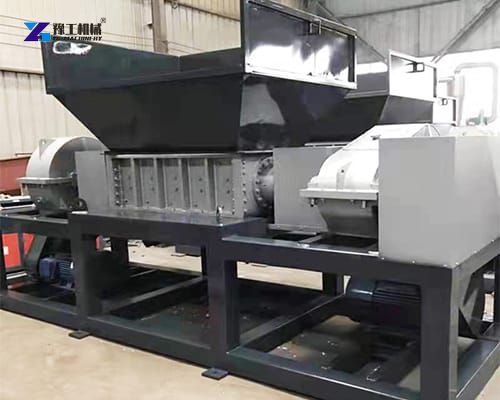
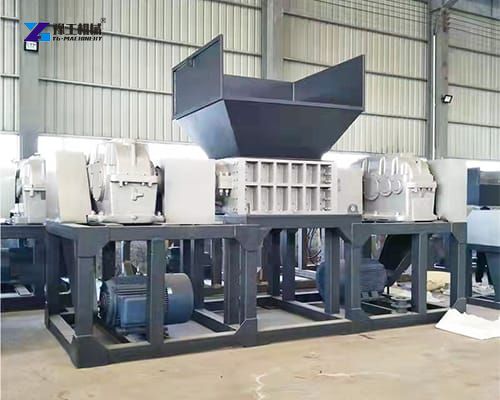
Metal requires significantly more mechanical force than ordinary waste. A reliable shredder therefore needs a drive system capable of handling high and changing loads. High torque is especially important when processing dense or irregular scrap. Instead of relying only on speed, heavy-duty shredders can use controlled mechanical force to pull and tear material through the cutting chamber. This makes the machine suitable for applications where the feed may not have a perfectly uniform shape.
2. Stable Feeding and Continuous Processing
Production efficiency depends on more than cutting force. If material frequently bridges in the hopper or enters the chamber unevenly, actual output can be much lower than the machine’s nominal rating. A practical system should therefore provide a suitable hopper design, reliable feeding arrangement, and stable discharge process. The goal is to maintain a steady material flow from the first piece of scrap to the final recovered fraction.
3. Controlled Output Size
Different recycling applications require different particle sizes. A scrap yard preparing material for transport may only need substantial volume reduction. A metal separation plant may need a more controlled size range to improve the performance of downstream sorting equipment. The desired output should therefore be defined before purchasing the scrap metal shredder machine. The target size, feed characteristics, and downstream equipment should be discussed instead of choosing a machine based only on motor power.
4. Wear Resistance
Scrap metal is abrasive and can contain unexpected hard objects. Cutting components, shafts, bearings, and other high-load parts are therefore exposed to significant mechanical stress. Wear-resistant components can help extend service intervals and maintain stable performance. However, no shredder should be treated as indestructible. Regular inspection remains essential, particularly when the feed contains hard alloys, thick sections, or materials outside the original application range.
Recommended Supporting Equipment
A scrap metal recycling line can often benefit from several complementary machines.
A metal baler is useful for compacting prepared metal scrap into dense, transport-friendly bales. This can be especially valuable for scrap dealers handling loose sheet metal and lightweight materials.
A magnetic separator is a practical addition when the recycling process needs to recover ferrous metal after shredding.
An eddy current separator can be considered when the plant needs to recover non-ferrous metals such as aluminum from mixed material streams.
Choosing these machines as a coordinated system can help create a smoother recycling workflow and improve the commercial value of recovered materials.