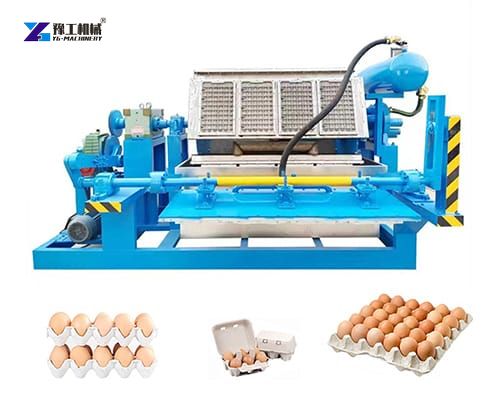
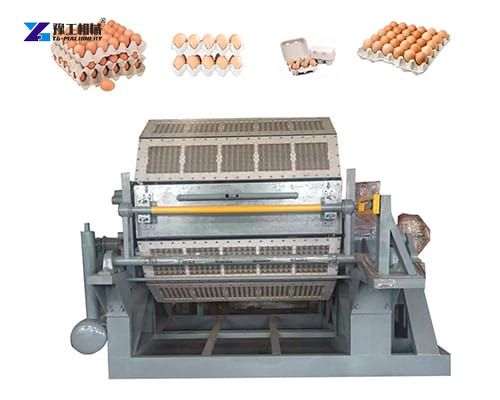
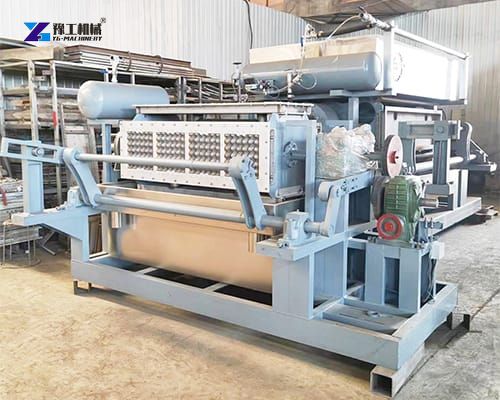
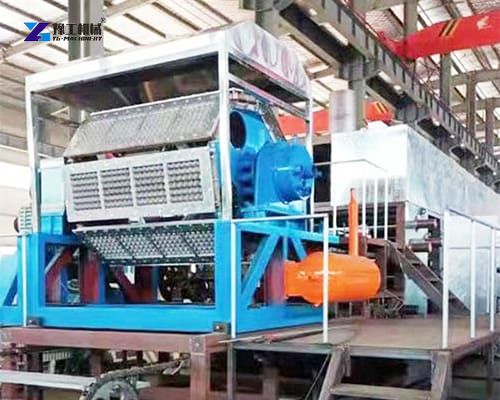
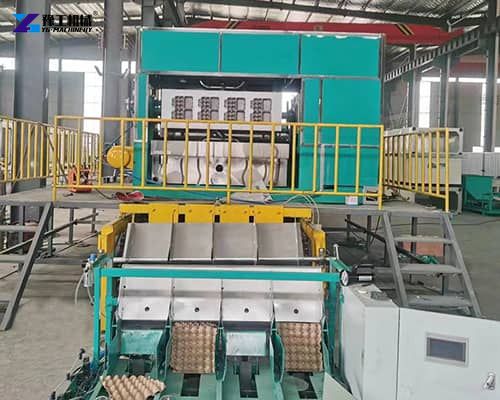
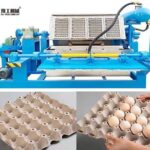
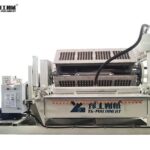
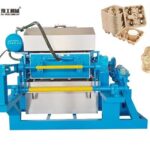
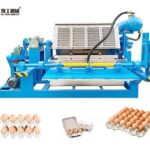
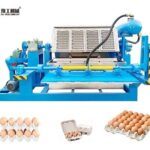
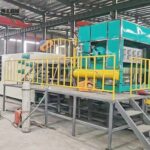
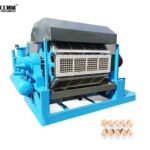
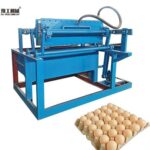
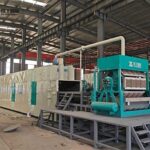
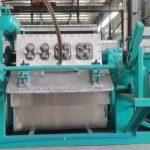
Egg crate making machine is a type of molded pulp packaging equipment. It uses recycled paper fibers as the main raw material and forms them into trays that hold eggs securely during storage, handling, and transportation. In paper egg crate production, waste paper is mixed with water to create pulp, which is then shaped by specially designed molds. After drying, the finished trays become strong enough for normal packaging and distribution. A complete egg crate making system usually includes a pulping unit, pulp storage tanks, a forming machine, a vacuum system, a drying system, and the necessary transfer and control equipment. Depending on the production configuration, automatic stacking, hot pressing, and packing equipment can also be added. For egg farms, packaging manufacturers, paper recycling businesses, and distributors, this equipment provides a practical way to manufacture protective trays for daily use.
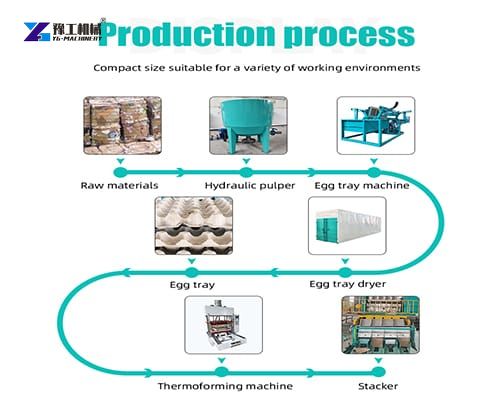
Understanding the production process helps buyers evaluate equipment more accurately and helps operators maintain consistent product quality. A typical egg crate manufacturing process consists of four main stages.
Step 1: Waste Paper Pulping
Waste cardboard, cartons, newspapers, and other suitable paper materials are fed into a hydraulic pulper with water. Mechanical agitation breaks down the paper into individual fibers, creating a pulp mixture.
The pulp may then pass through screening equipment to remove unwanted materials such as plastic pieces, staples, and other impurities. Depending on the raw material and product requirements, additional refining may be used to improve fiber consistency.
The prepared pulp is transferred to storage and mixing tanks, where its concentration is adjusted before forming.
Consistent pulp preparation is essential because uneven fiber distribution can lead to differences in tray weight, thickness, and strength. Operators should also maintain a stable supply of clean, suitable waste paper to avoid unnecessary production interruptions.
Step 2: Vacuum Molding
The pulp is delivered to the forming section, where specially shaped molds come into contact with the pulp mixture. A vacuum system draws the pulp fibers onto the mesh surface of the molds while excess water passes through.
As the fibers accumulate, they form the basic shape of an egg tray. The mold of the egg crate making machine design determines the number of egg compartments, tray dimensions, and many of the product’s structural characteristics.
After forming, the wet tray is transferred from the forming mold to the drying system.
Step 3: Drying and Moisture Removal
Freshly molded trays contain considerable moisture and cannot be packed immediately. They must be dried until they reach a suitable moisture level for stacking, storage, and transportation.
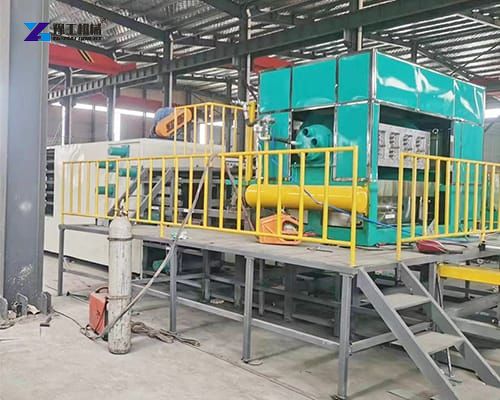
There are several drying options. Natural drying uses sunlight and airflow, while brick-kiln and metal drying systems use controlled heat to remove moisture more quickly. Multilayer metal dryers move trays through several drying levels, making better use of available floor space.
The appropriate drying method depends on production volume, local weather, energy prices, labor availability, and factory layout.
For continuous production, a properly matched drying system is particularly important. If the forming machine produces wet trays faster than the dryer can process them, finished output will be restricted even when the main machine operates normally.
Step 4: Stacking and Packaging
After drying, trays are collected, inspected, and stacked for storage or delivery. An automatic counting and stacking system can reduce manual handling and help workers prepare orders more efficiently.
For products requiring a smoother surface or a more compact shape, an optional hot-pressing system can improve the finish. Baling or wrapping equipment may also be added when trays need to be transported in large quantities.
The final configuration should match the intended market. Standard egg trays supplied to farms may require only drying and stacking, while more specialized molded pulp packaging may need additional finishing.
The primary application is the production of paper egg trays for poultry farms, egg collection centers, wholesalers, supermarkets, and packaging distributors.
Egg trays protect individual eggs by separating them and reducing direct contact during handling. Their molded structure also makes the trays easy to stack, helping businesses organize inventory and transport products in bulk.
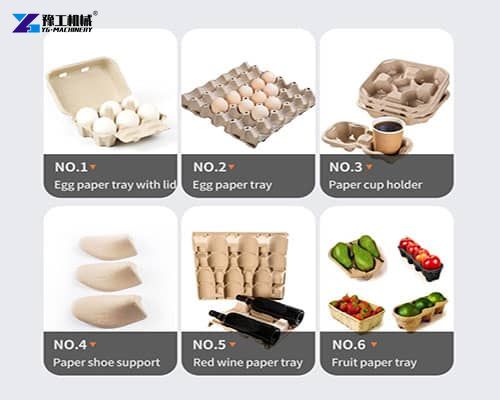
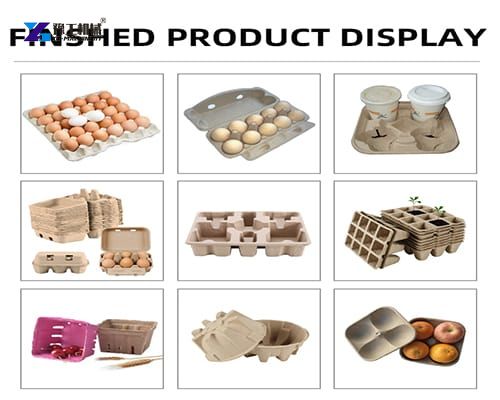
However, a paper egg tray making machine is not limited to conventional egg packaging. With compatible molds and suitable production adjustments, a pulp molding system can manufacture several related products.
1. Paper Egg Trays
Standard egg trays are widely used by farms, collection centers, and distributors. Different mold designs can accommodate various egg sizes and packaging formats.
2. Egg Cartons
Egg cartons typically require a more detailed shape than basic trays. Depending on the design, production may involve additional molding, pressing, or finishing operations.
3. Fruit and Produce Trays
Molded pulp can be used to make protective inserts for selected fruits and other produce. The mold must be designed for the dimensions and support requirements of the product.
4. Industrial Protective Packaging
Paper pulp molding equipment can also produce inserts for bottles, fragile goods, and other items that need cushioning during transport. These applications may require different molds and product testing.
application of the pulp molding equipment
wide applications of the paper pulp molding machine
A good egg crate making machine should deliver consistent output, stable product quality, and manageable operating costs. Several performance factors deserve attention during equipment selection.
1. Production Capacity
Hourly output is one of the first specifications buyers compare. Small and medium-sized businesses may prefer a lower-capacity system that matches current orders, while larger manufacturers may need a higher-output line for wholesale supply.
For reference, the available YG series includes models rated from 1,000 to 7,000 pieces per hour. Actual production depends on the selected model, mold configuration, product specifications, raw material conditions, and operating efficiency.
Buyers should distinguish between rated capacity and actual saleable output. Product defects, equipment downtime, drying delays, and changeovers can all reduce the number of trays ready for shipment.
2. Forming Accuracy and Product Quality
The forming system determines how evenly pulp fibers collect on the mold and how accurately each tray reproduces the intended shape.
Well-maintained molds and stable vacuum performance help produce consistent compartments, adequate wall thickness, and reliable stacking. Poor pulp preparation or blocked mold screens can result in weak sections, uneven surfaces, and malformed trays.
Product quality should be evaluated using samples that match the buyer’s intended egg size, tray weight, and packaging requirements.
3. Drying Performance
Drying has a direct influence on production speed and finished product stability. Trays that remain too wet may deform during stacking or develop storage problems. Excessive or uneven heating may also affect product appearance and consistency.
An efficient drying system should remove moisture evenly without creating a bottleneck between forming and packing. Buyers should compare the available drying options rather than selecting a machine based on forming capacity alone.
One of the main advantages of molded pulp production is the ability to use suitable waste paper as a raw material. Cardboard boxes, old cartons, and other recoverable paper products can be processed into useful packaging.
For businesses with access to affordable recycled paper, this approach may reduce material costs and create value from resources that would otherwise have limited commercial use.
2. Flexible Production Options
Egg crate making machines are available in different capacities and configurations. Businesses can select a suitable production line according to their order volume, site conditions, and budget.
Drying arrangements can also be adapted to local circumstances. Natural drying may be practical where land and favorable weather are available, while a multilayer dryer may suit factories that need a more compact and controlled process.
3. Consistent Output for Commercial Supply
A properly configured machine helps manufacturers produce trays with repeatable dimensions and product characteristics. Consistency is important for distributors and farms that purchase packaging regularly.
Stable production also makes it easier to plan inventory, organize deliveries, and meet customer specifications.
4. Potential for Product Expansion
The ability to change molds provides opportunities to serve additional packaging markets. Once a business has established its egg tray production, it may consider related pulp-molded products to make better use of its equipment.
A typical production line requires pulp preparation and storage equipment, a forming machine, a vacuum system, transfer equipment, and a suitable drying arrangement. Depending on the production process, screening, refining, automatic stacking, hot pressing, and packing equipment may also be required. If you are looking for these machines for egg tray production, please contact us, and we will help you find a suitable solution based on your real needs.