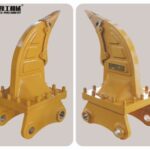
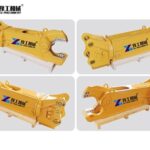
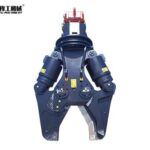
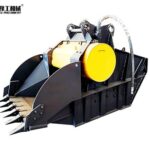
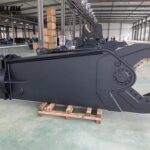
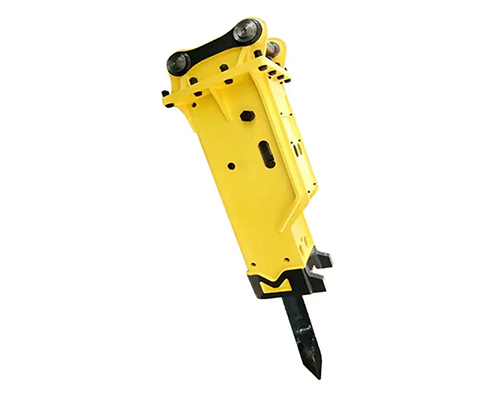
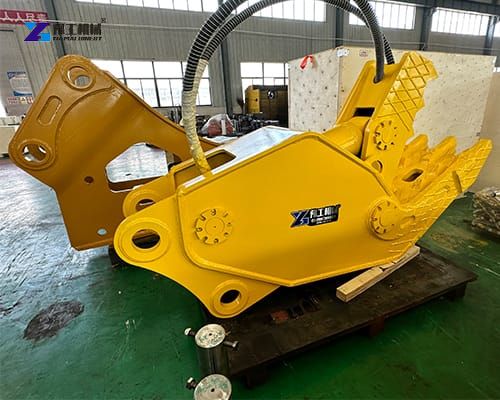
Excavator pulverizer attachment is a hydraulic tool installed at the end of an excavator arm. It uses crushing jaws to break concrete structures into smaller pieces while helping separate concrete fragments from steel reinforcement. Most hydraulic pulverizers feature a strong steel body, replaceable wear parts, a movable jaw, and a hydraulic cylinder that provides the force needed for crushing. Depending on the model, the jaws may have different shapes and tooth arrangements to handle various concrete sizes and working conditions. The attachment is especially useful when demolition and material separation must take place in the same working area. Instead of sending all concrete debris to another machine for secondary processing, operators can crush and sort materials during demolition.
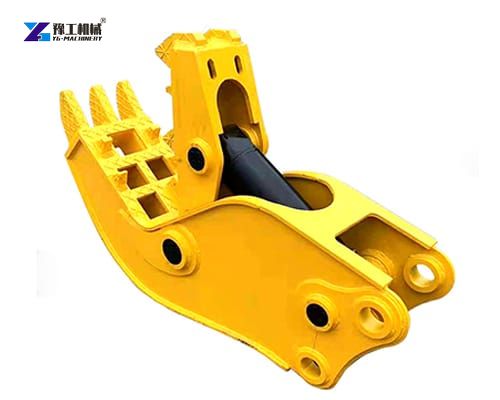
Technical Data of the Excavator Pulverizer Attachment
| Model | Unit | YG400 | YG600 | YG800 | YG1000 | YG1700 |
| Total length | mm | 1642 | 1895 | 2168 | 2218 | 3150 |
| Total width | mm | 1006 | 1275 | 1376 | 1598 | 2100 |
| Blade length | mm | 120 | 150 | 180 | 200 | 240 |
| Max Opening Height | mm | 587 | 718 | 890 | 1029 | 1400 |
| Upper Jaw Width | mm | 215 | 280 | 290 | 380 | 400 |
| Lower Jaw Width | mm | 458 | 586 | 588 | 720 | 812 |
| Max Shear Force | kn | 380 | 650 | 1650 | 2250 | 2503 |
| Working Pressure | Bar | 280 | 320 | 320 | 320 | 320 |
| Weight | kg | 670 | 1350 | 1750 | 2750 | 4709 |
| For Excavator Weight | ton | 6-9 | 10-15 | 18-26 | 26-30 | 50-80 |
How Does an Excavator Pulverizer Work?
Hydraulic power from the excavator drives the attachment’s cylinder, which opens and closes the crushing jaws. The jaws apply concentrated force to concrete and other suitable demolition materials until they break into smaller pieces. The process generally includes three main steps.
1. Hydraulic Power Generation
The excavator supplies pressurized hydraulic oil through its hydraulic circuit. This oil drives the pulverizer cylinder, creating the movement and force required for crushing. Correct hydraulic flow and pressure are essential for smooth operation and consistent performance.
2. Crushing and Material Reduction
When the excavator pulverizer attachment’s jaws close around a concrete section, the applied force creates fractures in the material. Repeated crushing breaks large pieces into smaller fragments that are easier to handle, transport, and recycle. The operator can reposition the excavator and attachment to work through different sections of a structure.
3. Reinforcement Separation
When reinforced concrete is crushed, the concrete can break away from the steel bars embedded inside it. The operator can then use the jaws to expose and separate the reinforcement for collection and recycling. Actual separation efficiency depends on the concrete strength, reinforcement layout, material size, and operator technique.
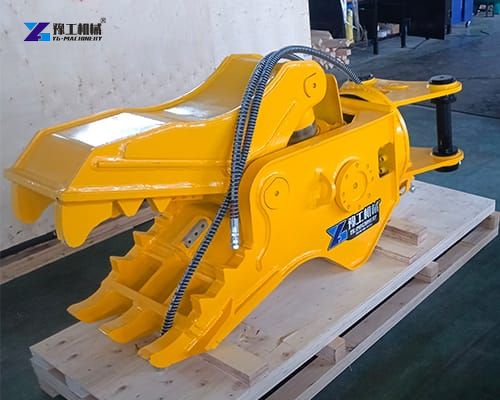
Customize A Solution for Your Project
Applications of an Concrete Pulverizer Attachment
An excavator pulverizer can support a wide range of demolition and recycling operations. Its greatest value comes from combining concrete crushing with material handling in one attachment.
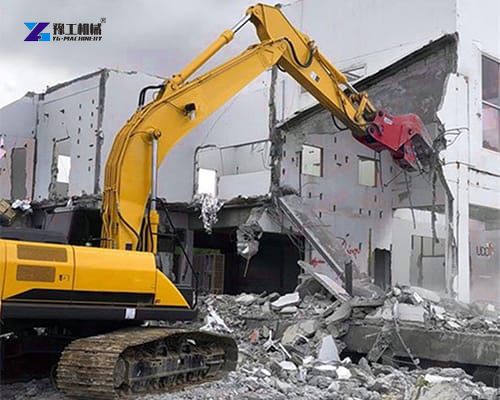
Concrete Building Demolition
During building demolition, concrete slabs, walls, columns, and other structural elements often need to be reduced before removal. The hydraulic pulverizer allows operators to break suitable concrete sections into manageable pieces.
Building Renovation and Interior Demolition
Renovation projects frequently involve removing concrete walls, floors, staircases, and other structural components in restricted areas. A properly matched excavator pulverizer attachment can help contractors process concrete without relying entirely on larger demolition equipment.
Concrete Recycling
Concrete recycling is one of the main applications of an excavator concrete pulverizer attachment. After concrete is broken down, the material can be collected and transported for further screening, crushing, or reuse.
Road and Infrastructure Demolition
Road maintenance and infrastructure projects often require the removal of damaged concrete pavement, drainage structures, bridge components, and other concrete elements. A pulverizer can help break suitable concrete sections into smaller pieces for removal.
Construction Waste Processing
Demolition sites, recycling yards, and waste processing facilities often handle mixed loads of concrete and reinforcing steel. The excavator pulverizer attachment can reduce concrete size and help operators separate recoverable materials before further processing.
What Performance Features Shall We Evaluate Before Purchasing?
1. Crushing Force
Crushing force determines how effectively the jaws can break suitable concrete materials. A higher rated force can be beneficial for demanding applications, but it does not automatically guarantee higher productivity. Concrete strength, jaw geometry, material positioning, and excavator stability also influence the result.
2. Jaw Opening and Jaw Design
Maximum jaw opening determines the size of material that can be positioned between the jaws under the specified operating conditions. A larger opening can improve access to thick concrete sections, while jaw width and tooth arrangement affect how material is gripped and crushed.
3. Hydraulic Compatibility
Hydraulic compatibility is essential for reliable operation. Before purchasing an excavator pulverizer, confirm the host machine’s hydraulic pressure, oil flow, connection type, and other requirements. The attachment must work within the excavator’s approved hydraulic limits.
4. Structural Strength and Wear Resistance
The excavator pulverizer attachment works under repeated high loads, so its frame, pivot points, cylinder connections, and jaw components must withstand demanding conditions.
Main Advantages of Using an Excavator Pulverizer
Improved Demolition Efficiency
The pulverizer combines material crushing and reinforcement separation in one attachment. Operators can process concrete directly at the demolition site, reducing the need to move oversized debris to a separate work area. This can simplify the demolition sequence and help crews complete material preparation more efficiently.
Reduced Material Handling
Large concrete pieces can be difficult to load, transport, and feed into recycling equipment. Breaking them down at the source can make subsequent handling easier. Fewer unnecessary movements may reduce machine travel, loading delays, and labor requirements.
Better Recycling Potential
Separating concrete from reinforcing steel helps create more manageable material streams. Concrete can be directed toward suitable recycling operations, while recovered steel can be collected for recycling.Better separation at the demolition stage can also reduce the amount of manual sorting required later.
Potential Long-Term Cost Savings
A suitable excavator pulverizer attachment may help reduce secondary processing, labor demand, and material handling costs. Its replaceable wear components and serviceable design can also support long-term maintenance planning.
How to Choose the Right Excavator Pulverizer Size?
Selecting the correct attachment starts with the excavator and the work it will perform. An attachment that is too small may struggle with the required material, while an oversized unit may exceed the host machine’s approved capacity or reduce stability.
Match the Attachment to Excavator Weight
Excavator operating weight is an important starting point, but it is not the only compatibility requirement. Buyers should also check the excavator’s lifting capacity, hydraulic specifications, boom configuration, and attachment mounting system.
Consider the Type of Concrete
Thin concrete panels, reinforced floor slabs, thick structural sections, and heavily reinforced concrete place different demands on a pulverizer. This information helps determine the required jaw opening, crushing force, and overall attachment capacity.
Evaluate Daily Workload
A contractor processing a small volume of concrete during occasional renovation work may not need the same attachment as a recycling facility operating for several hours every day. For intensive applications, consider duty-cycle requirements, cylinder performance, wear-part replacement intervals, and access to maintenance support.