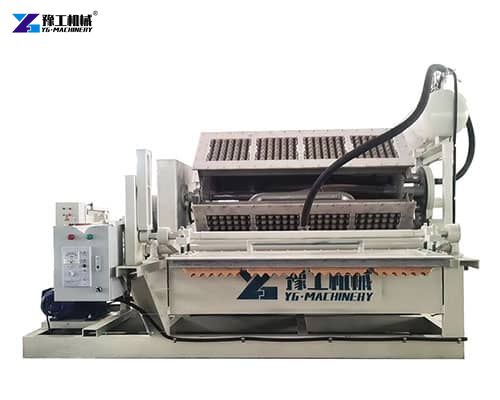
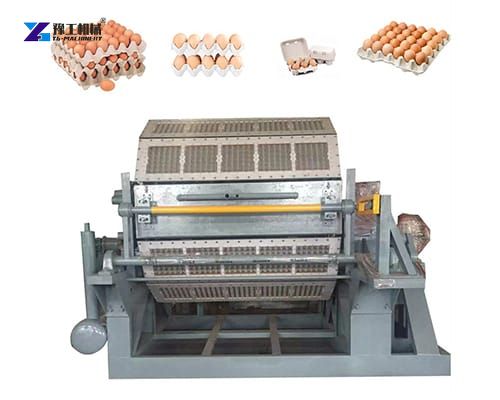
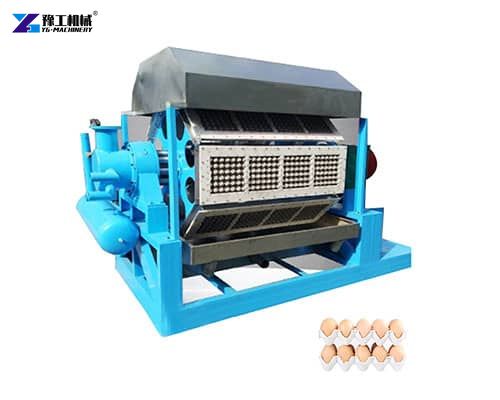
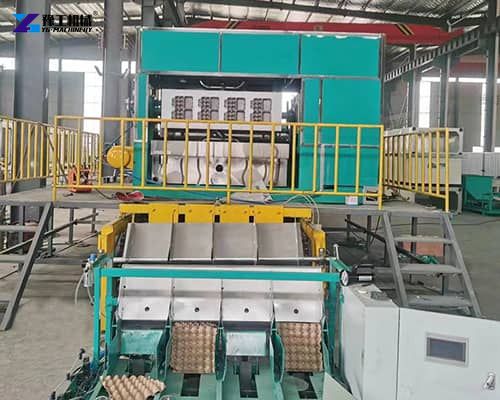
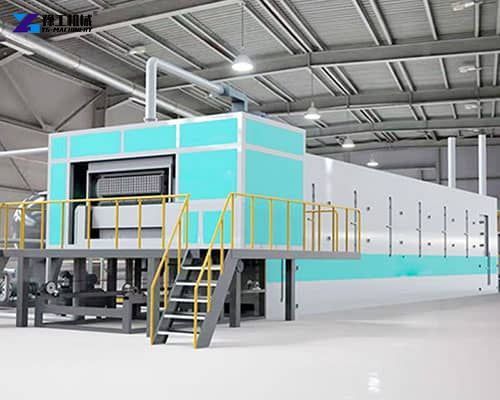
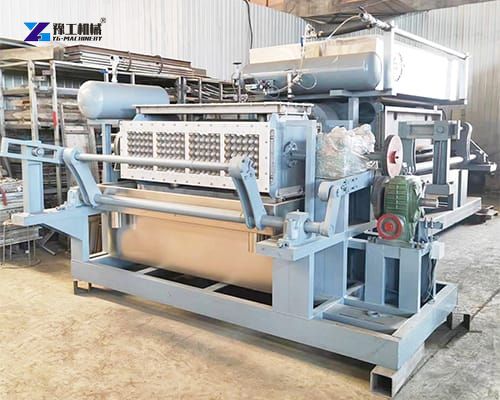
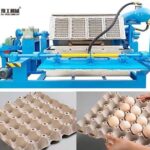
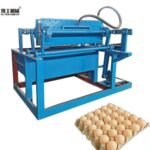
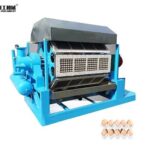
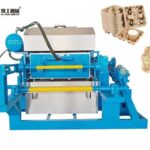
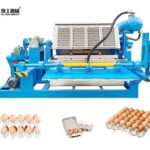
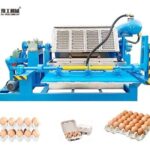
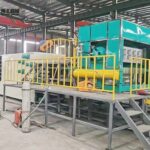
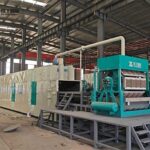
Paper egg tray machine is a pulp molding production system that converts waste paper into molded fiber packaging products. The whole production process uses recycled paper as the main raw material, mixed with clean water to create paper pulp. The wet pulp is then formed into custom shapes on molds, dehydrated, and dried to get finished pulp trays. Egg tray making machines run on waste paper, a cheap and widely available recyclable resource. Finished pulp trays are biodegradable, so they can break down naturally after use without long-term pollution to soil and water. These machines are commonly built in modular designs. The basic line includes a pulp-making section, forming unit, and drying system. Smaller models use natural air drying, while larger production lines come with multi-layer drying tunnels to speed up production. You can pick a model based on your target hourly output, factory space, and local power supply conditions.
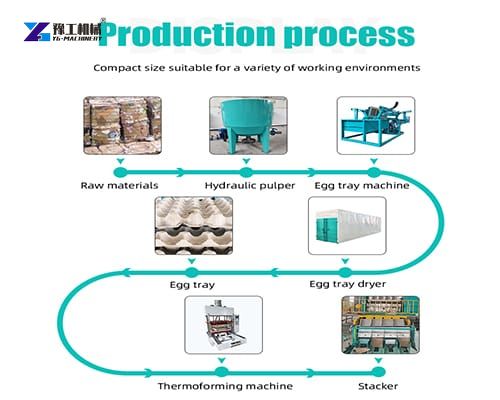
The workflow of a paper egg tray machine follows four simple connected stages: pulp preparation, forming, dehydration, and drying. Each step works together to turn loose waste paper into sturdy finished egg trays.
First, the pulp preparation stage. Operators put waste paper into the pulper, add water, and stir the mixture. The machine breaks paper sheets into fine fiber pulp. You can adjust pulp concentration to control the hardness and surface quality of the final trays. This step is very important for product consistency.
Second, the forming process. The diluted pulp flows into the forming machine tank. Special molds dip into the pulp slurry. Vacuum suction pulls paper fibers onto the mold surface. Fibers stack up to create the shape of egg trays. Extra water drains away during this process. This is where the product shape takes form.
Third, dehydration. Wet trays stick tightly on the molds after forming. The vacuum system removes most surface water to reduce drying time. Without proper pre-dehydration, the drying system will consume much more energy and slow down your whole line.
Fourth, drying. Wet molded trays go into the drying area. Small-scale paper egg tray machine models use natural air drying, which saves electricity but needs more storage space. High-output models use multi-layer drying systems. The drying tunnel removes remaining moisture, so finished trays become rigid and ready for packing.
After drying, finished egg trays can be stacked directly. Some factories add extra hot pressing equipment to smooth the tray surface if customers need higher quality products.
Common Application Scenarios for Paper Egg Tray Manufacturing Machine
Paper egg tray machines are not limited to only making egg trays. The flexible mold design lets manufacturers produce many types of molded fiber packaging for different industries. This versatility makes the machine a smart investment for packaging factories.
The most typical use is egg packaging for poultry farms and egg distributors. Egg trays made from pulp cushion eggs well during transport. They prevent cracks and damage in shipping. Many poultry farms buy small and medium egg tray production machines to produce packaging on-site, cutting packaging supply costs.
Fruit and vegetable packaging is another major market. Growers use molded pulp fruit trays to pack apples, pears, kiwis, and citrus fruits. The soft fiber structure protects fruit skins against scratches and bumps in transit.
The machine can also make industrial buffer packaging. Electronic parts, ceramic goods, glassware and small hardware items need custom molded pulp liners. These custom pulp holders replace foam packaging.
Key Performance Indicators to Check Before Purchase
When comparing different paper egg tray machine options, you should focus on core performance metrics to match the machine with your production goals. The most important factor is hourly production capacity. Models range from low-output units for small workshops to high-volume machines for large packaging factories.
Power consumption is another critical point for factory budgets. Raw material consumption also matters. Higher capacity machines consume more waste paper and water every hour, so you need to secure stable local waste paper supply.
Machine weight and overall dimensions help you plan factory layout. Larger machines need bigger workshop space and suitable ground load capacity. For example, entry-level machines have compact dimensions and lighter weight, which suits startup investors with limited factory area. High-output models have larger footprints and heavier body weight, requiring reinforced workshop floors.
Drying method directly affects your production schedule. Low-capacity paper egg carton machine models adopt natural drying. They save power but require large space to place wet trays for air drying. Medium and high-capacity machines use multi-layer drying systems. Multi-layer drying cuts production cycle time and supports continuous 24-hour operation, ideal for factories with big bulk orders.
Main Advantages of Investing in a Paper Egg Tray Production Machine
The biggest advantage of a paper egg tray machine is low raw material cost. Waste paper, cardboard and old cartons are cheap and easy to source in most regions. Raw material cost is far lower than plastic pellets or foam materials. This helps you keep production costs under control and improve profit margins.
Eco-friendly product output is a second major benefit. All pulp products are fully biodegradable and compostable. Molded pulp packaging helps your customers meet environmental regulations and opens access to export markets that reject plastic packaging.
The machine supports flexible production. You can swap molds quickly to switch between egg trays, fruit trays and custom packaging. One single paper egg tray machine can serve multiple customer groups, reducing the risk of relying on only one product line.
Long service life is another strong point. Good quality paper egg tray machines are built with sturdy metal frames. With regular maintenance, the equipment can run steadily for many years. The investment can bring stable long-term revenue for your factory.
Daily Operation & Maintenance Tips for Paper Egg Carton Making Machine
Proper routine maintenance extends the service life of your paper egg tray machine and keeps product quality stable. Operators should follow simple daily checks every shift.
Clean the pulp circulation system every day. Residual paper fiber can block pipes and influence pulp uniformity. Blockages will cause uneven forming on egg trays. Clean the vacuum filter and pulp tank at the end of each working day.
Inspect molds regularly. Molds are the core parts that shape your products. Check for damage, holes or fiber buildup on mold surfaces. Damaged molds will make defective trays. Clean molds gently and replace worn-out molds on schedule.
Check power lines, vacuum pumps and drying system fans before startup. Listen for unusual noise during machine running. Abnormal sound usually means loose parts or lubrication problems. Lubricate moving parts following the maintenance manual.