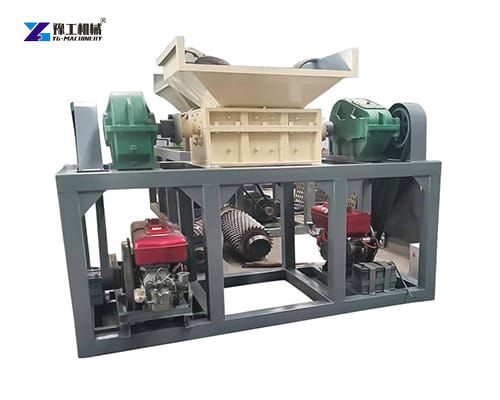
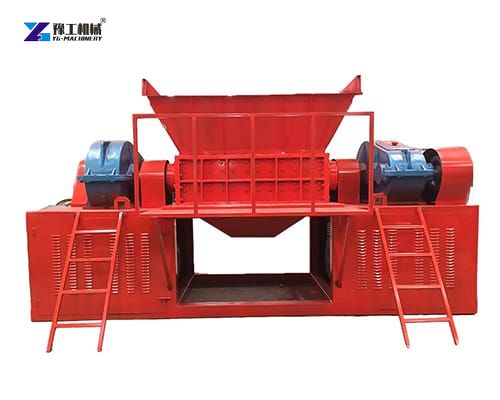
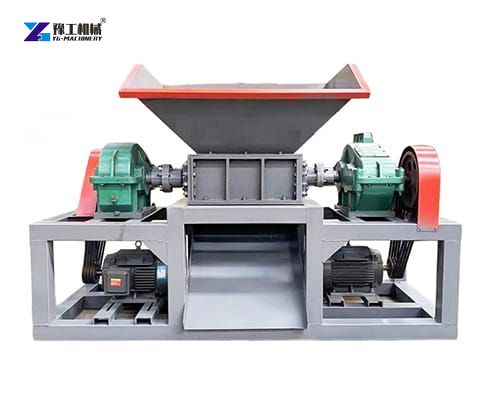
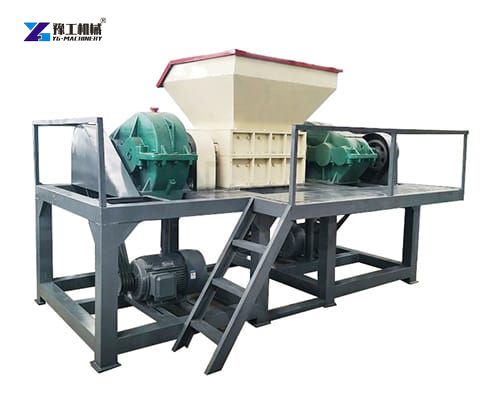
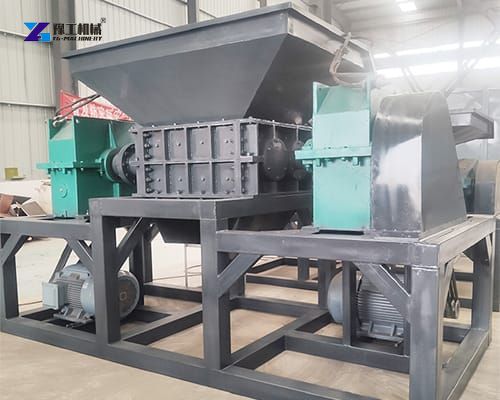
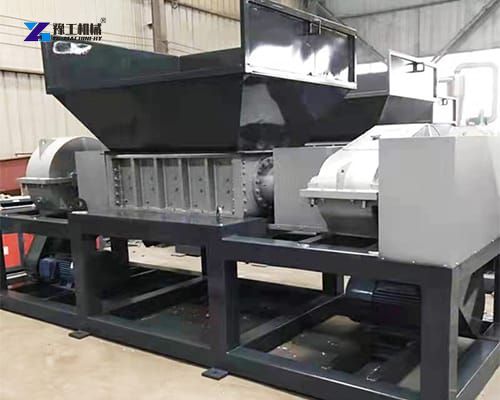
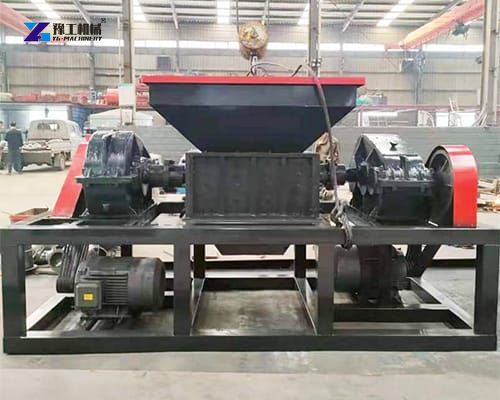
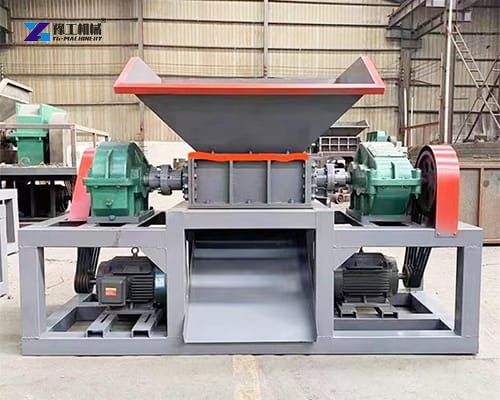
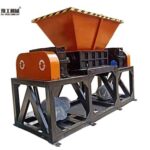
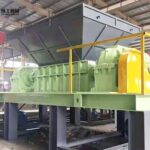
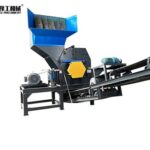
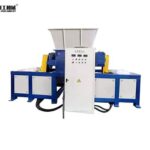
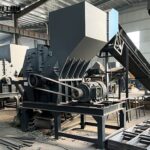
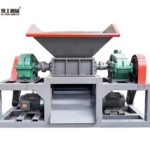
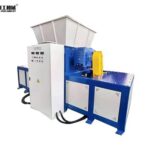
Double shaft shredder machine is an industrial size reduction solution designed to process bulky, hard, and difficult-to-handle materials into smaller, more manageable pieces. With two rotating shafts equipped with cutting blades, this machine can tear, shear, and cut different types of waste through continuous mechanical action. It is widely used in recycling plants, waste management facilities, plastic processing factories, metal recycling operations, and many other industrial environments. Compared with single-shaft shredders, a double shaft shredder offers a different cutting structure that makes it suitable for handling mixed materials, bulky waste, and materials with irregular shapes. For businesses looking to improve waste processing efficiency, reduce material volume, and prepare recyclable resources for further treatment, choosing the right twin shaft shredder machine can make a significant difference in daily operations.
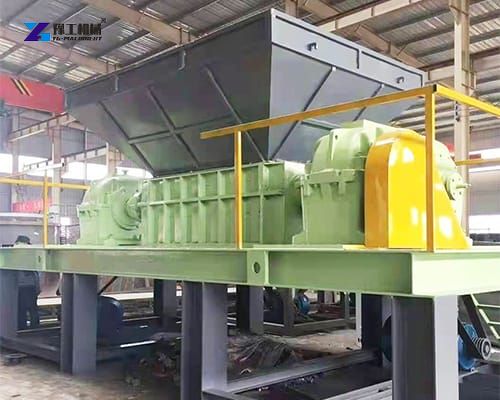
Double shaft shredder machine, also known as a twin shaft shredder, is a mechanical shredding system that uses two parallel rotating shafts to break down materials. Each shaft is fitted with multiple cutting blades, which work together to grip, pull, tear, and shear incoming materials. During operation, the two shafts rotate toward each other or follow a designed cutting movement, depending on the machine configuration. As materials enter the shredding chamber, the blades catch them and gradually pull them into the cutting area. The interaction between the two sets of blades creates strong shearing forces that reduce large materials into smaller pieces. One of the main characteristics of a double shaft shredder is its ability to handle materials with different shapes, sizes, and physical properties. It can process rigid plastics, rubber products, wooden waste, packaging materials, scrap metal, and various industrial residues. Unlike equipment designed only for fine grinding, a twin-shaft shredder mainly focuses on primary size reduction. It makes oversized materials easier to transport, sort, store, or feed into downstream recycling equipment. The double shaft shredder is an important part of a complete waste processing and resource recovery system.
The shredding process generally involves several stages.
1. Material Feeding
First, the materials are loaded into the double shaft shredder machine through the feeding hopper. Depending on the material type and production setup, feeding can be carried out manually, by conveyor belt, or through an automatic feeding system. The hopper directs materials toward the two rotating shafts. Its size and structure should match the dimensions and loading requirements of the materials being processed.
2. Material Gripping and Pulling
Once the materials enter the shredding chamber, the cutting blades on both shafts begin to engage with them. The blades grip the materials and pull them downward into the cutting area. Their interaction creates a continuous feeding and tearing effect.
3. Cutting and Shearing
The two shafts rotate under the power of the drive system. As the cutting blades pass through the materials, they generate shearing and tearing forces. The materials are gradually broken into smaller fragments through repeated cutting actions.
4. Material Discharge
After shredding, the processed materials fall through the discharge area. Depending on the production line, the output can be transferred to a conveyor, sorting system, magnetic separator, granulator, or another recycling machine.
Main Applications of Double Shaft Shredder Machines
A double shaft shredder is suitable for many industrial waste reduction and recycling applications. Its versatility makes it a practical choice for businesses that need to process different types of bulky or difficult materials.
1. Plastic Recycling
Plastic waste is one of the most common materials processed by twin shaft shredders. The machine can handle plastic pipes, containers, drums, pallets, injection-molded products, plastic sheets, and various production leftovers. A plastic double shaft shredder helps reduce the volume of oversized plastic products and prepares them for further processing.
2. Tire and Rubber Recycling
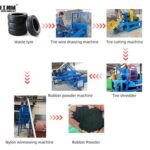
Used tires and rubber products are difficult to process because of their strength, elasticity, and structural complexity. A heavy-duty double shaft shredder can break down whole tires, rubber blocks, conveyor belts, and other rubber waste into smaller pieces.
3. Metal Scrap Recycling
Metal recycling facilities also use double shaft shredders to process selected types of light and bulky metal scrap. Common materials include aluminum profiles, metal containers, thin metal sheets, and certain non-ferrous metal products. The machine reduces the size of metal waste, making it easier to transport and separate. However, material hardness and thickness must be evaluated before selecting a model. Heavy steel blocks and oversized metal components may require specialized shredding equipment.
Core Performance Features of a Double Shaft Shredder
Strong Cutting and Shearing Capability
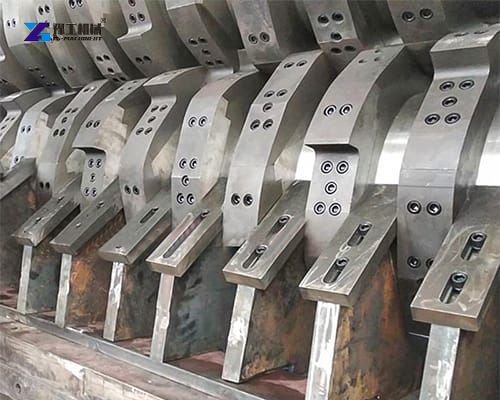
The most important performance feature is the cutting system. Two rotating shafts equipped with multiple blades create continuous shearing action, allowing the machine to process bulky materials without relying on high-speed impact.
Stable Low-Speed Operation
Many double shaft shredder machines use a relatively low-speed, high-torque operating principle. This design provides strong pulling and tearing forces while helping maintain stable operation under demanding working conditions. Low-speed shredding can also help reduce material scattering and excessive noise.
Flexible Output Size
The output size of a double shaft shredder is influenced by blade thickness, cutter spacing, shaft arrangement, and the physical properties of the input material. Different blade configurations can be selected for different processing requirements.
Continuous Industrial Processing
A properly selected double shaft shredder can operate as part of a continuous processing line, with materials fed through conveyors and discharged automatically. For factories with high daily processing requirements, this arrangement can reduce manual handling and improve overall workflow.
Adaptability to Different Materials
A major advantage of the double shaft structure is its ability to process different material types. With appropriate cutter configurations and drive systems, one machine platform can be adapted to different waste reduction applications.
Advantages of Using a Double Shaft Shredder Machine
For companies investing in industrial recycling equipment, the benefits of a double shaft shredder extend beyond basic size reduction.
Reduces Material Volume
Bulky waste often occupies significant space in factories, warehouses, and waste collection facilities. Shredding reduces the physical size of materials, making storage and transportation more convenient. This is particularly valuable for plastic containers, tires, wooden pallets, and other oversized waste products.
Improves Recycling Efficiency
Many recycling processes require materials to be reduced to a manageable size before sorting, cleaning, or further treatment. The double shaft shredder provides an effective first processing stage. By preparing waste materials for downstream equipment, it helps create a more organized and efficient recycling workflow.
Handles Bulky and Irregular Materials
Some waste materials are too large or irregular for direct feeding into conventional crushers. The two-shaft cutting structure helps grip and pull these materials into the shredding chamber. This makes the machine suitable for a wide range of industrial waste reduction tasks.
Supports Different Production Requirements
Manufacturers and recycling companies often process materials with different dimensions and processing requirements. A double shaft shredder can be selected in different sizes and configurations to match different production capacities.
Reduces Manual Material Handling
When integrated with conveyors and automatic feeding systems, the double shaft shredder machine can reduce the need for repeated manual movement of bulky waste. This helps improve production organization and can reduce unnecessary labor during material handling.
Start by determining exactly what materials need to be shredded. Are you processing plastic pipes, rubber tires, wooden pallets, aluminum scrap, or mixed industrial waste? Different materials require different blade structures, cutting forces, and machine configurations.
2. Check Material Dimensions and Thickness
The size of the feeding material directly affects machine selection. Large plastic drums, long pipes, and oversized wooden products may require a larger hopper and wider shredding chamber. Material thickness is equally important because it affects the cutting force required during operation.
3. Calculate the Required Processing Capacity
Processing capacity is another important purchasing consideration. Buyers should estimate the amount of material that needs to be processed per hour or per day. It is also necessary to consider whether the machine will operate continuously or only during certain production periods.
5. Evaluate Motor Power and Drive Configuration
Motor power affects the machine’s ability to provide the required cutting force. The drive system, gearbox, shaft structure, and blade design must work together. Buyers should ask manufacturers about the motor configuration, transmission system, overload protection, and suitability for the intended materials.
6. Consider Installation Space
Before purchasing, measure the available installation area. Check the machine dimensions, hopper height, feeding direction, discharge arrangement, maintenance clearance, and electrical installation requirements.