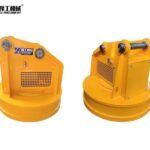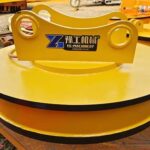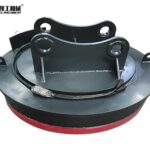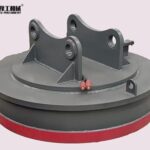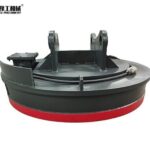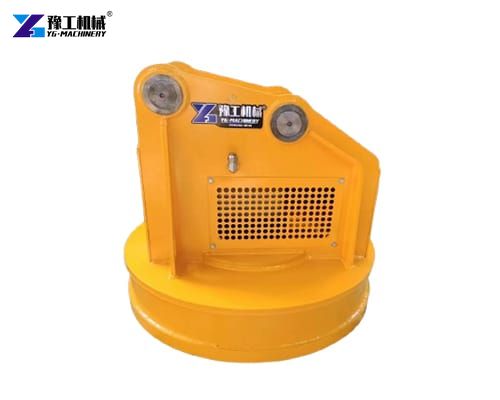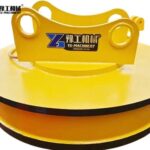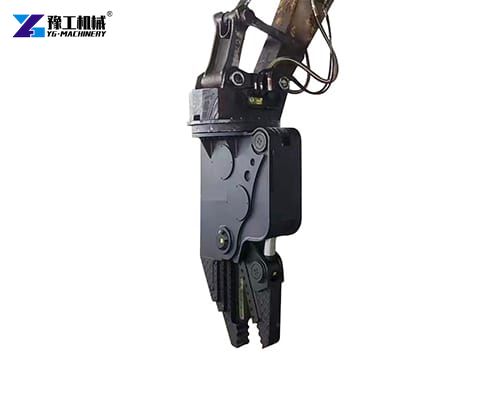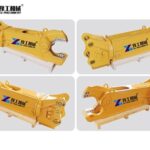
is a practical excavator attachment designed for picking up, lifting, moving, and sorting ferrous metal materials. The attachment is generally installed on the end of an excavator boom. It uses hydraulic power from the excavator to generate a magnetic field to attract metal objects, making it easier to handle loose scrap, steel fragments, iron waste, and other magnetic materials. The exacavator scrap magnet can reduce dependence on manual sorting, improve the speed of daily material handling operations, and maintain a more organized working environment. There are different specifications for different excavators. Please get in touch with us to find a proper machine for your business.
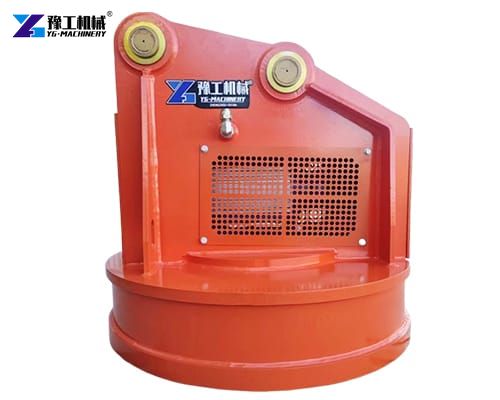
Parameters of the Hydraulic Scrap Magnet
| Model | YGML02 | YGML04 | YGML06 | YGML08 | YGML10 | YGML14 | YGML20 |
| Suitable excavator | 4-6T | 7-11T | 12-16T | 17-23T | 24-30T | 31-40T | 41-50T |
| Weight | 1400kg | 1500kg | 1890kg | 2000kg | 2200kg | 2500kg | 2800kg |
| Power | 5kw | 8kw | 8kw | 10kw | 10kw | 15kw | 15kw |
| Outer diameter | 700mm | 800mm | 900mm | 1100mm | 1200mm | 1300mm | 1400mm |
| Working flow | 30-55 lpm | 50-100 lpm | 90-110 lpm | 100-140 lpm | 130-170 lpm | 200-250 lpm | 250-320 lpm |
| Working pressure | 170 bar | 180 bar | 190 bar | 200 bar | 210 bar | 250 bar | 250 bar |
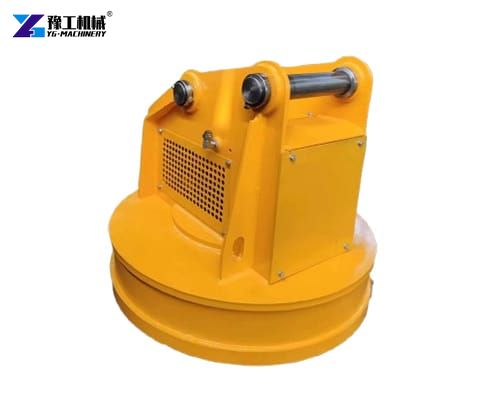
How Does a Hydraulic Excavator Magnet Work?
Understanding the working principle of a hydraulic scrap magnet helps operators use the equipment correctly and helps buyers evaluate different products. The working process is based on electromagnetic induction and the conversion of hydraulic energy into electrical energy.
Step 1: Hydraulic Power Supply
After installation, the magnet connects to the excavator’s hydraulic system through the appropriate hydraulic lines. When the excavator operates, hydraulic oil flows through the system and drives the attachment’s hydraulic motor. The hydraulic motor provides the mechanical energy needed to operate the generator in generator-powered models.
Step 2: Electricity Generation
The generator converts mechanical energy into electrical energy. This electricity is supplied to the electromagnetic coil inside the magnet. A stable power supply is important because it directly affects the consistency of the magnetic field and the attachment’s working performance.
Step 3: Magnetic Field Generation
When electrical current passes through the electromagnetic coil, it creates a magnetic field. The magnetic force is concentrated around the working surface of the magnet. When the attachment moves close to ferrous materials, such as iron pieces, steel plates, and metal fragments, these materials are attracted to the magnetic surface.
Step 4: Material Lifting and Transportation
The operator positions the magnet above the target material and activates the magnetic function. The collected scrap metal can then be lifted and moved to a truck, sorting area, storage container, or processing machine. The operator controls the excavator’s boom, arm, and rotation to transport the materials to the desired location.
Step 5: Magnetic Release
When the materials reach the unloading position, the operator switches off the magnetic function. The magnetic field disappears or decreases, allowing the collected metal to fall from the magnet. Some systems may use a controlled demagnetization function to improve material release.
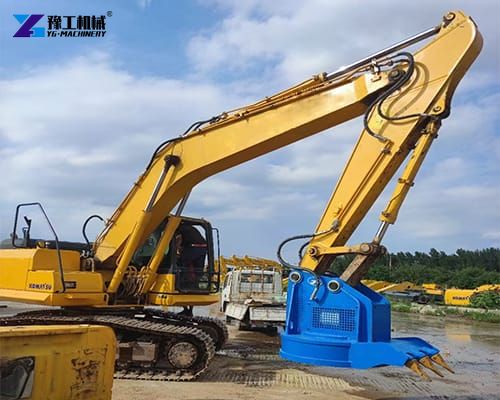
5 Main Applications of a Hydraulic Magnet Attachment
Scrap Metal Recycling Yards
Scrap yards are among the most common working environments for hydraulic scrap magnets. Large quantities of discarded steel, iron components, metal offcuts, and other ferrous materials need to be collected and moved regularly. Manual handling is inefficient, especially when materials are heavy, irregularly shaped, or mixed together. The excavator scrap magnet allows operators to collect multiple metal pieces in one operation and move them to designated storage or processing areas. It is particularly useful for loading scrap metal into trucks, feeding recycling equipment, and keeping storage areas organized.
Construction and Demolition Sites
Demolition work often produces large amounts of metal waste, including steel bars, reinforcing rods, structural steel, pipes, and other ferrous components. The hydraulic magnet for excavators helps collect these materials from demolition areas and separate them from concrete, wood, soil, and general construction waste. This makes site cleanup more efficient and helps contractors recover reusable metal materials.
Steel Processing Plants
Steel manufacturing and processing facilities generate metal scraps during cutting, stamping, machining, and other production operations. A hydraulic scrap magnet can assist with collecting steel offcuts and moving metal waste between different work areas. It can also help maintain cleaner production areas and reduce the need for workers to handle loose metal pieces manually.
Ports and Industrial Storage Areas
Ports, warehouses, and industrial facilities often handle metal products, steel components, and scrap materials in large quantities. When suitable ferrous materials need to be collected or transferred, a hydraulic magnet attachment provides a flexible handling solution. Its compatibility with excavators makes it useful in outdoor storage areas where working conditions and material positions may change frequently.
Waste Management and Recycling Facilities
Mixed waste streams may contain iron and steel materials that need to be separated before further processing. The excavator magnet attachment can help extract magnetic metal from general waste, making subsequent sorting and recycling operations more manageable. It is especially useful in facilities that process construction waste, industrial waste, and metal-containing materials.
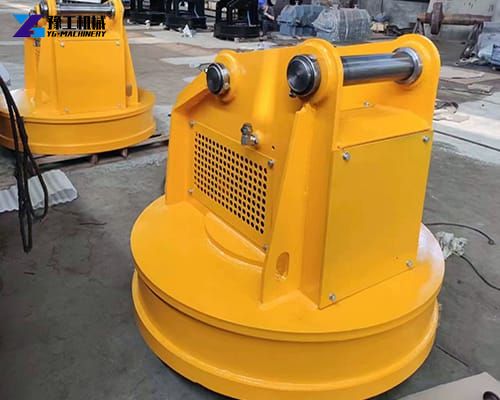
Performance Features of a Hydraulic Magnet for Excavator
1. Strong and Stable Magnetic Attraction
Magnetic strength is one of the most important performance factors. A suitable magnetic system should provide enough attraction to collect the types of ferrous materials commonly found in the working environment. The actual lifting capacity depends on several conditions, including material thickness, shape, surface condition, contact area, and the distance between the magnet and the material.
2. Efficient Material Collection
A well-matched hydraulic scrap magnet allows operators to collect several pieces of scrap in one lifting cycle. This can reduce the number of individual handling operations required and improve overall working efficiency.
3. Reliable Hydraulic Operation
The hydraulic system provides the power needed to operate the attachment. Stable hydraulic flow and pressure help maintain consistent operation and reduce the risk of performance problems caused by an unsuitable power supply.
4. Durable Structural Design
Scrap handling is a demanding application. The attachment may be exposed to impacts, vibration, dust, sharp metal edges, and changing outdoor conditions. A strong housing and well-protected internal components help the magnet withstand regular operation.
5. Convenient Operation and Material Release
The operator should be able to activate and deactivate the magnetic function without complicated procedures. A responsive control system makes it easier to collect, transport, and release scrap materials in a controlled manner.
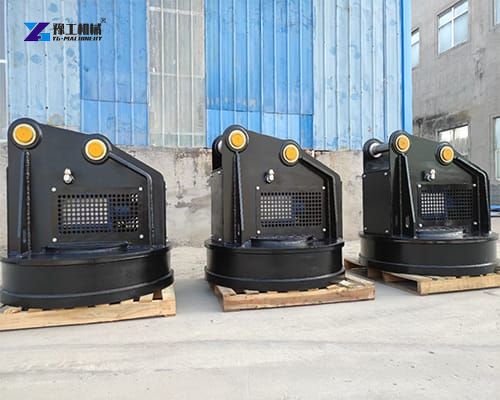
Hydraulic Scrap Magnet Specifications and Model Options
Choosing the correct model is essential for achieving reliable performance. Different excavators have different hydraulic capacities and lifting capabilities, so a hydraulic magnet attachment for excavator should be selected according to the carrier machine. The available model range covers excavators from 4–6 tons to 41–50 tons, with corresponding differences in attachment weight, magnetic diameter, hydraulic flow, and working pressure. For example, the YGML02 is designed for smaller excavators, while the YGML14 and YGML20 are intended for larger carrier machines. These options allow buyers to consider different machine sizes and operating requirements.
Advantages of Using a Excavator Magnet Attachment
1. Reduced Manual Labor
Collecting scrap metal manually can be physically demanding and time-consuming. A hydraulic scrap magnet allows operators to handle ferrous materials directly from the excavator cab. This reduces the need for workers to repeatedly bend, lift, and move heavy metal pieces.
2. Improved Working Efficiency
Traditional mechanical methods may require several operations to collect and sort loose metal. A magnetic attachment can pick up multiple ferrous pieces in one cycle, depending on their size, weight, and arrangement. This helps shorten material collection time and allows the excavator to complete more handling work during a shift.
3. Better Scrap Sorting
Separating ferrous metal from other materials is an important part of recycling. The hydraulic scrap magnet can collect magnetic materials without needing to grip each individual piece. This helps operators remove iron and steel from mixed waste streams and prepare the materials for further recycling.
4. Lower Dependence on Additional Equipment
Because the magnet is installed directly on an excavator, businesses can use an existing machine for scrap collection and material transfer. This may reduce the need for separate material-handling equipment in operations where the excavator has sufficient capacity and hydraulic compatibility.
5. Flexible Working Applications
Hydraulic scrap magnet can be used in different locations, including recycling yards, construction sites, industrial plants, and outdoor storage areas.
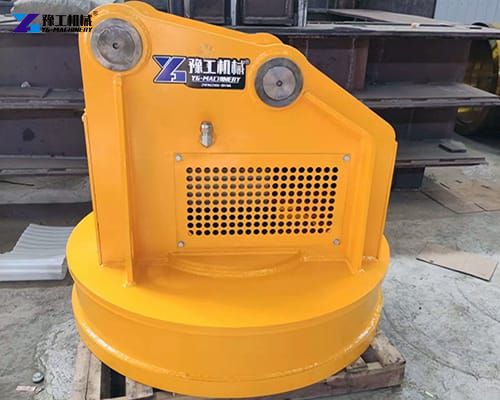
How to Choose the Right Hydraulic Magnet for Excavator?
Selecting the right hydraulic scrap metal magnet requires more than matching the attachment to an excavator’s tonnage. Buyers should consider the complete working environment and the materials that need to be handled.
1. Match the Attachment to the Excavator
Start by identifying the excavator’s operating weight and hydraulic specifications.
Check the following information:
- Excavator operating weight
- Available hydraulic flow
- Maximum working pressure
- Hydraulic line configuration
- Attachment mounting dimensions
The attachment should be compatible with the excavator’s hydraulic system and mechanical mounting arrangement. An attachment that is too large or too heavy may reduce machine stability and place excessive demands on the carrier.
2. Consider the Type of Scrap Metal
Different scrap materials require different handling capabilities. For example, steel plates, reinforcing bars, metal sheets, and irregular iron fragments do not behave in exactly the same way under magnetic attraction. Before purchasing, identify the main materials that will be handled and consider their average size, thickness, shape, and weight. This information helps determine the appropriate magnetic surface and equipment configuration.
3. Evaluate Daily Working Volume
A small recycling yard with occasional scrap collection may have different requirements from a large processing facility that operates throughout the day.
Buyers should consider:
- Average daily scrap volume
- Working hours per shift
- Number of material-handling cycles
- Distance between collection and unloading areas
- Required loading and sorting speed
Understanding these factors helps avoid purchasing the hydraulic scrap magnet that is either unnecessarily large or insufficient for the actual workload.
4. Check Product Quality and Technical Support
Important points include material quality, hydraulic system design, magnetic performance, component protection, installation requirements, and after-sales support. A suitable product is not simply the one with the lowest purchase price. It should provide reliable performance throughout its expected service life.